
In an era where community is increasingly shaped by intention rather than mere proximity, GB Legends reimagines sport as a cultivated medium of connection, one that transcends expectation and settles into something far more enduring, where movement evolves into meaning and participation transforms into belonging. It is no longer confined to competition alone, but unfolds as a nuanced social language through which individuals engage, interact and ultimately discover a shared rhythm of living, where experience is elevated and community becomes both tangible and deeply felt.
 As Amit Sood observes with measured clarity, “What we are shaping at GB Legends is not simply an arena for sport, but a considered culture of interaction, where every engagement, however fleeting, contributes to a deeper and more enduring sense of belonging.”
As of today, GB Legends has thoughtfully ventured into six distinct sporting disciplines, namely golf, polo, pickleball, cricket, volleyball and running, each contributing a unique cadence to its evolving narrative, collectively shaping an ecosystem where diversity of experience meets coherence of vision.
The narrative begins with golf, a sport defined by its restraint, precision and quiet sophistication, where the introduction of a dedicated league lends a contemplative dimension to the sporting ethos of GB Legends, allowing interaction to unfold with an unhurried grace, where conversations replace urgency and relationships are cultivated through continuity rather than spectacle, positioning the sport not merely as a pursuit of skill, but as a refined social ritual grounded in elegance and ease.
“In golf,” reflects Amit Sood, “it is often the unspoken moments, the pauses between play, that allow connections to form with a certain authenticity, creating relationships that feel less transient and far more enduring.”
From this measured quietude emerges the collective energy of running, where individual endurance transforms into a shared expression of purpose, most poignantly embodied through initiatives such as the cancer awareness run, where physical exertion transcends personal ambition and becomes an act of empathy and solidarity, each participant contributing to a wider narrative in which movement carries meaning and presence signifies support, redefining the marathon as a gathering shaped not by competition but by compassion.
“Running, in its purest form,” notes Amit Sood, “is a deeply personal act, yet when experienced collectively, it acquires a rare emotional resonance, where individual effort converges into a shared sense of purpose.”
This ethos finds further articulation in community driven runs such as the Opus One marathon, where the solitary nature of running is gently recontextualised into a shared experience, drawing residents into a moment that is simultaneously personal and collective, reinforcing the belief that community is not merely inhabited but actively lived, and that such shared rituals gradually evolve into traditions that anchor memory and belonging.
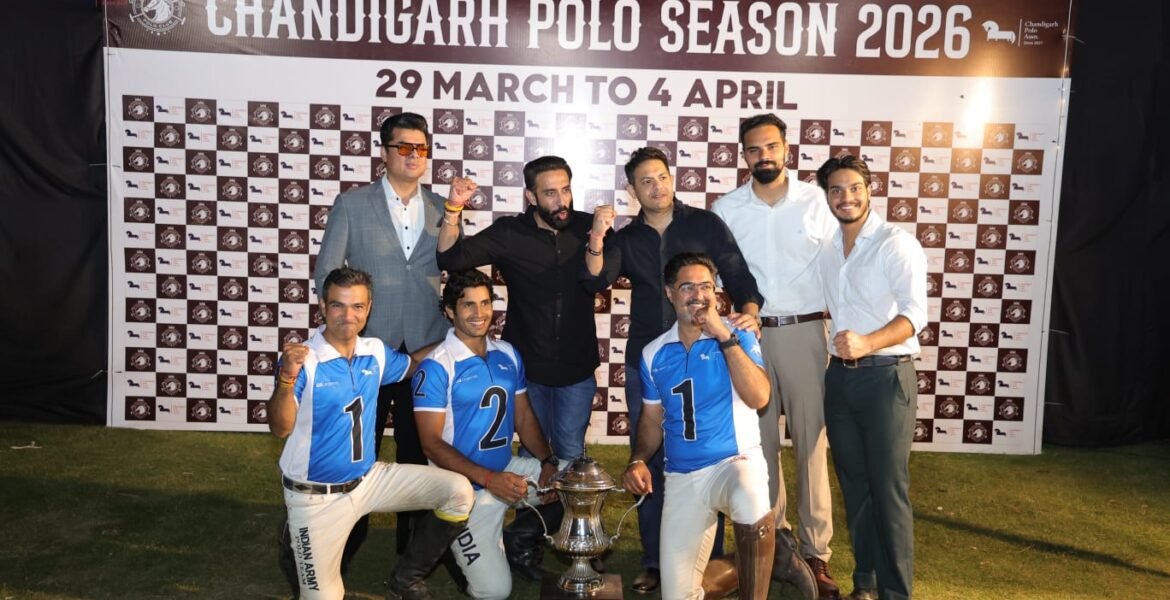
At the heart of this carefully orchestrated ecosystem lies polo, a sport steeped in heritage and imbued with quiet authority, where the acquisition of a dedicated polo team introduces a dimension of aristocratic refinement that elevates the broader sporting narrative, as the synchrony between horse and rider, the precision of movement and the understated grandeur of the game together create an atmosphere that is both aspirational and immersive, allowing polo to transcend its identity as a sport and emerge as a symbol of legacy, discipline and cultivated excellence.
“Polo carries with it an inherent sense of legacy,” articulates Amit Sood, “and in many ways, it reflects the kind of refined yet grounded experiences we seek to curate, where tradition is not preserved in isolation but reinterpreted within a contemporary context.”


Balancing this legacy is the spirited immediacy of pickleball, a contemporary expression of sport that introduces accessibility and dynamism into the landscape, where courts resonate with energy and spontaneity, encouraging effortless interaction across generations, dissolving formality and inviting participation with ease, ensuring that the sporting environment remains vibrant, inclusive and inherently human.
Complementing this spectrum is cricket, a sport deeply woven into the cultural fabric, which brings with it a sense of familiarity, nostalgia and collective excitement, transforming open grounds into arenas of shared enthusiasm, where strategy, teamwork and spirited competition converge, reinforcing bonds that extend beyond the game itself and into the everyday social fabric of the community.
Alongside it, volleyball introduces a rhythmic and kinetic energy, where movement is fluid and collaborative, fostering a sense of immediacy and coordination, allowing participants to engage in a form of sport that is at once invigorating and socially connective, further enriching the diversity of interaction within the GB Legends ecosystem.
What ultimately unfolds at GB Legends is not a collection of isolated sporting pursuits, but a layered and cohesive social landscape, where golf, polo, pickleball, cricket, volleyball and running exist in deliberate harmony, each contributing its own character and tempo to a unified experience, collectively articulating a vision of community that is both sophisticated and sincere, where sport is not merely played, but lived.
As Amit Sood concludes with quiet conviction, “At its core, GB Legends is an exploration of how sport can transcend its traditional boundaries, evolving into a way of life that is as enriching socially as it is engaging physically.”