
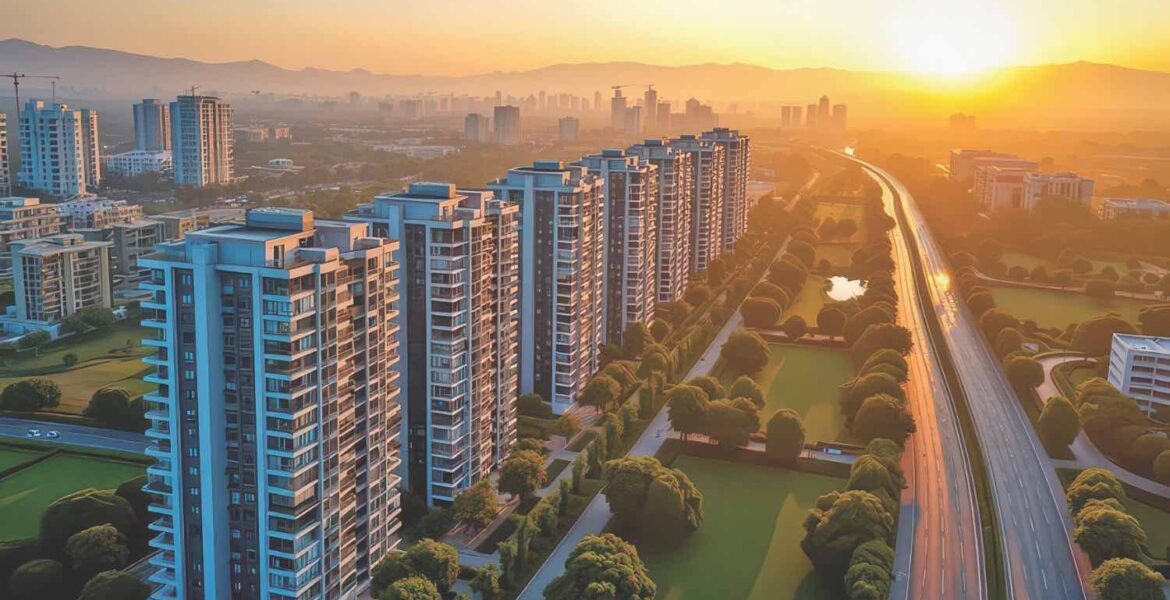
In the evolving narrative of North India’s real estate landscape, few regions have captured investor attention as decisively as the Tricity corridor of Chandigarh, Mohali, and Panchkula. For decades, Chandigarh stood as the epicentre of planned urban development in the region. Its disciplined architecture, expansive green spaces, and exceptional civic infrastructure established it as one of India’s most desirable cities to live in. Yet as the city matured and land availability became increasingly limited, the focus of growth gradually began shifting toward carefully planned neighbouring areas. Among these emerging districts, New Chandigarh has begun to stand out as one of the most promising residential destinations.
Once perceived as a quiet extension of the Tricity region, New Chandigarh is now steadily evolving into a sophisticated residential corridor that combines urban accessibility with the spatial advantages of modern planning. Wide boulevards, thoughtfully planned sectors, and proximity to Chandigarh’s established urban ecosystem have positioned the region as a natural expansion of the city’s growth. For investors and homebuyers alike, this transformation presents a compelling opportunity to participate in what many analysts describe as the next phase of Tricity’s luxury housing market.
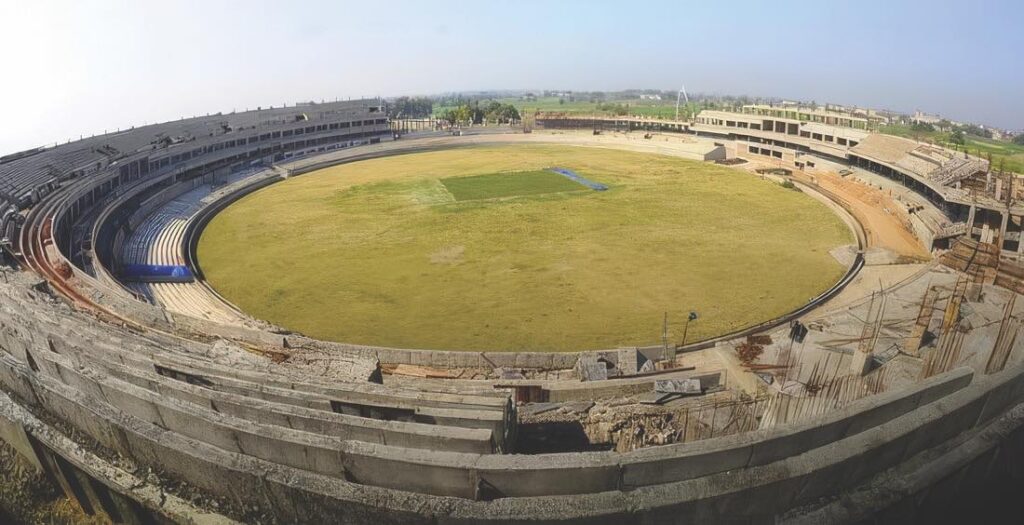 Over the past several years, the real estate market across the broader Tricity region has demonstrated consistent upward momentum. Premium residential developments have recorded steady price appreciation as demand from professionals, entrepreneurs, and non-resident Indians continues to expand. In many emerging micro markets surrounding New Chandigarh, property prices have steadily moved toward the ₹8,000 to ₹9,000 per square foot range. Market observers increasingly believe that the next milestone in this growth trajectory may soon be the ₹11,000 per square foot benchmark for premium developments.
This projection is not based on speculation alone. Instead, it reflects a combination of economic, demographic, and infrastructural forces that are gradually reshaping the region’s urban landscape.
One of the most significant catalysts behind this transformation is infrastructure development. Throughout modern urban history, infrastructure has served as one of the most powerful drivers of real estate value. Cities expand along the lines of connectivity, and areas that benefit from improved transportation networks often experience rapid property appreciation.
Across the Tricity region, several infrastructure initiatives are strengthening long term growth prospects. Among the most prominent is the proposed Tricity Metro project, an ambitious urban transport system estimated at approximately ₹11,000 crore. Once implemented, the network is expected to connect major parts of Chandigarh, Mohali, and Panchkula, creating a more integrated metropolitan region. Improved connectivity of this scale typically enhances residential demand in surrounding areas by significantly reducing travel times and improving access to employment hubs.
Road infrastructure is also undergoing steady expansion. Major highway corridors, bypass projects, and improved arterial roads are gradually strengthening the accessibility of emerging districts such as New Chandigarh. These developments allow residents to enjoy the tranquillity of a spacious residential environment while remaining closely connected to the economic and cultural life of Chandigarh.
For real estate investors, infrastructure growth often translates directly into property value appreciation. Industry studies suggest that improved connectivity can increase residential property prices by twenty to thirty percent in adjacent micro markets once large scale projects become operational.
Another powerful force shaping the future of New Chandigarh is demographic change. The Tricity region has experienced a steady inflow of professionals, entrepreneurs, and globally mobile investors who seek a balanced lifestyle that combines urban opportunity with environmental quality.
The expansion of the technology sector in neighbouring Mohali has generated thousands of high value employment opportunities, attracting a young and ambitious workforce to the region. At the same time, the Tricity area continues to maintain strong cultural and emotional connections with the Punjabi diaspora. Non-resident Indians frequently view property investments in the region as both financially secure and personally meaningful.
This demographic evolution has significantly influenced housing preferences. Today’s luxury homebuyer is not merely searching for a residence. Instead, buyers increasingly seek living environments that reflect their aspirations and provide a holistic lifestyle experience. Spacious interiors, modern architecture, community amenities, and secure residential environments have become essential considerations.
New Chandigarh has emerged as an ideal setting for such developments. Unlike densely built metropolitan centres, the region still offers larger land parcels that allow developers to design expansive residential communities with generous green spaces and contemporary amenities. These attributes contribute to a distinctive lifestyle environment that appeals to affluent buyers.
Within this context, premium developments such as Opus One illustrate how architectural sophistication can align with broader market trends. Designed to emphasise spacious living and refined aesthetics, the project reflects the expectations of a new generation of luxury homeowners. Large residences with expansive balconies offer panoramic views of the surrounding landscape, creating an atmosphere of openness and tranquillity that is increasingly rare in urban environments.
From an investment standpoint, such design characteristics are far more than aesthetic choices. Properties that offer generous layouts, abundant natural light, and thoughtfully designed outdoor spaces often command stronger resale values and attract sustained buyer interest.
Quality of construction also plays a crucial role in long term investment performance. Luxury homebuyers typically evaluate a property not only on the basis of location but also in terms of craftsmanship and finishing standards. Developments that demonstrate superior design detail and durable construction often maintain their prestige over time and perform better in secondary markets.
Equally important is the presence of lifestyle amenities that enhance everyday living. Modern residential developments increasingly function as self-contained communities that offer spaces for recreation, wellness, and social interaction. Landscaped gardens, fitness facilities, leisure areas, and secure common spaces contribute to an environment that enriches the daily experiences of residents.
Such amenities also carry financial implications for investors. Residential communities that provide comprehensive lifestyle infrastructure tend to attract higher demand and achieve stronger rental occupancy rates. Across the Tricity region, premium residential properties currently generate rental yields ranging between six and seven percent annually, making them attractive assets for investors seeking both income and capital appreciation.
 Scarcity represents another important factor in the investment narrative of New Chandigarh. Chandigarh’s strict urban planning framework has limited the availability of new residential land within the city itself. As a result, surrounding areas have naturally become the next destinations for expansion.
New Chandigarh, with its carefully planned development strategy and strategic proximity to the city, has benefited directly from this dynamic. As land availability gradually decreases and demand continues to grow, properties located in well designed residential corridors often experience sustained long term appreciation.
For investors, entering a market during its formative growth phase can offer significant advantages. Historically, the most substantial gains in real estate value often occur when buyers recognise the potential of a location before it reaches full maturity. Many analysts believe that New Chandigarh is currently positioned within precisely such a growth window.
If present trends continue, the region may soon transition from an emerging residential district into one of the most prestigious luxury corridors in North India. As infrastructure development progresses and demographic demand expands, the projection of ₹11,000 per square foot for premium developments may become an achievable reality.
Within this evolving urban landscape, developments that combine strategic location, architectural distinction, and limited inventory are likely to attract the strongest investor interest. Projects such as Opus One illustrate how thoughtful design and market positioning can align with the broader economic trajectory of a region.
The story of New Chandigarh is still unfolding. Yet the indicators of growth are already visible in the steady rise of property values, the expansion of infrastructure, and the growing confidence of investors. For those seeking to participate in the next chapter of the Tricity real estate story, the future of New Chandigarh represents not merely an opportunity but a vision of the region’s continuing evolution.
And if the current trajectory continues, the idea of ₹11,000 per square foot may soon become less a prediction and more a reflection of the region’s remarkable ascent.