
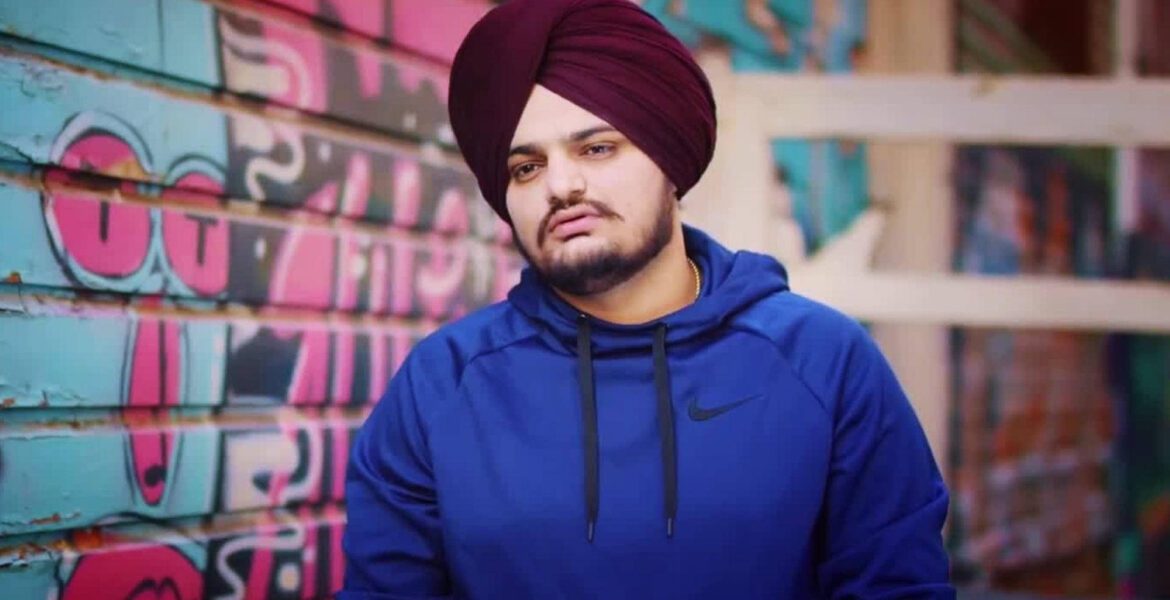
Last Ride: three Years Without Sidhu Moosewala and the Legacy That Roared Louder in Silence
Text : Manokriti Bedi
In a world where music is often just entertainment, few artists manage to become something more. They become voices. Symbols. Movements. On May 29, 2022, when Shubhdeep Singh Sidhu, better known as Sidhu Moosewala, was assassinated in broad daylight, it was not just the loss of a singer. It was a rupture in the cultural soul of millions.
Today, two years later, the fields of Moosa in Punjab, where he was born and where his grave now draws thousands, still echo with his music. The pain of his passing hasn’t faded. Instead, his absence has deepened the weight of his presence. What remains is more than memory; it is momentum.
This is the story of a village boy who carried an entire generation’s voice across continents. Who changed Punjabi music forever. And whose silence now speaks louder than ever.
Born of Grit and Grain: The Rise from Moosa
Sidhu Moosewala was born on June 11, 1993, in the village of Moosa, located in Punjab’s Mansa district. He wasn’t born into fame, but into the modest, proud life of a farming family. His father, Balkaur Singh, served in the army. His mother, Charan Kaur, was elected sarpanch of the village—a symbol of strength and agency. That same strength would course through their son’s lyrics.
Growing up, Sidhu was inspired by the revolutionary poets of Punjab—especially Tupac Shakur and Harbhajan Mann, an unlikely duo that represented his early duality: poetic rebellion and cultural pride. In 2016, he moved to Canada to pursue higher studies, and while there, he discovered something he’d soon master: the sound of diaspora rage.
In Canada, he began releasing tracks online, self-publishing on YouTube and distributing music through digital platforms—long before the Indian music industry caught up. His breakout hit, “So High” (2017), wasn’t just a song; it was a warning bell to the establishment. Laced with hard-hitting beats and lyrical defiance, it carved out a place for Sidhu as a different kind of artist—one who spoke to the village, for the village, and from the village, no matter how far away.
Punjabi Music Before Moosewala: Bhangra, Beats, and Bling
To understand Sidhu’s revolution, one must understand what came before him. Before Moosewala, Punjabi music on the global stage was dominated by party bangers—Bhangra pop, dancefloor anthems, and romantic melodies. Artists like Diljit Dosanjh, Jazzy B, Gurdas Maan, and Honey Singh built bridges between cultures. But their focus was often celebration, not confrontation.
Sidhu changed the tone. He took Punjabi music from dancefloor to frontline. His songs weren’t just tracks; they were declarations—sometimes angry, sometimes mournful, always personal. Tracks like “Just Listen”, “Selfmade”, and “Warning Shots” felt like diary entries. His lyrics often mentioned enemies, betrayal, broken trust, but also roots, loyalty, and death. This wasn’t escapism—it was raw reflection.
More than anything, Sidhu told truths people were afraid to say. About politics. About systemic injustice. About Punjabi youth caught between drug epidemics, failed promises, and immigration struggles. His music was, in many ways, protest in verse.
The Sound of Defiance: Sidhu’s Musical Evolution
What defined Moosewala’s music wasn’t just its message, but its texture. It was where folk instrumentation met hip-hop flow, where ghadar (rebellion) met gospel-like confession. His deep baritone voice—part bullet, part sermon—sounded like a man who had seen too much, too soon.
Take the song “295”—a haunting, almost prophetic track that speaks of injustice and censorship. Or “The Last Ride”, released just weeks before his death, which eerily describes a martyr’s final journey. Fans now consider it a self-written obituary.
Sidhu’s style was characterized by:
Lyrical storytelling: Most of his tracks unfolded like mini-movies—introducing characters, plots, and emotional arcs.
Unflinching candor: He often spoke of guns, gang culture, and rivalry—not to glorify, but to reflect the social realities he came from.
Fusion with global genres: Collaborations with UK grime, Canadian drill, and trap artists proved he wasn’t confined to borders. His music was Punjabi in language, global in sound.
But even more defining than his innovation was his independence. Sidhu owned his masters. He ran his own label. He bypassed traditional record companies and became the architect of his own empire. This blueprint now powers dozens of independent Punjabi artists.
The People’s Pop Star: Cultural Phenomenon, Not Just Celebrity
Sidhu Moosewala wasn’t a product of PR campaigns or industry machinery. He was a homegrown hero, sculpted by the love and rage of his people.
In Punjab, his songs blasted from tractors during harvests and from phones in village squares. In Canada and the UK, his voice echoed in underground parties and car rallies. For many immigrant families, Sidhu was the soundtrack to survival—a reminder of home, pride, and defiance.
He wasn’t clean-cut. He had rivals. He got into public feuds (most notably with fellow artist Karan Aujla, though both moved towards peace eventually). He faced criticism for promoting gun culture and controversial lyrics. But what made Sidhu different was his honesty. He never pretended to be perfect.
In fact, it was this flawed authenticity that made him beloved.
The Day The Music Died: May 29, 2022
What happened in Mansa on May 29, 2022, was unthinkable. Just one day after his security detail was withdrawn by the state government, Sidhu was ambushed and fatally shot—reportedly hit by over 20 bullets.
The killers, allegedly linked to gang rivalries, turned the street into a war zone. But for fans, what they killed wasn’t a man—it was a movement.
Thousands gathered to pay their respects. Tributes poured in from Bollywood, global music stars, sports icons, and even political leaders. His mother stood strong, his father wept publicly. But the message was clear: you can kill the man, but not the message.
The pain was magnified when “The Last Ride” played at his funeral. A song that ends with the line: “Mera naam likheya hovega history ch.” (“My name will be written in history.”)
It is now.
The Aftermath: A Legacy That Lives
In the two years since his death, Sidhu Moosewala’s name has only grown. His posthumous releases, like “SYL”, which addressed the contentious Sutlej-Yamuna Link canal issue, were banned by Indian authorities but became viral sensations worldwide. His political stand—he had contested the Punjab Assembly elections months before his death—now seems almost like destiny’s unfinished business.
His parents have turned grief into activism. They regularly speak about justice, youth rights, and social change. His mother, Charan Kaur, often wears his face on her dupatta. His father, who once carried him as a child, now carries his portrait to rallies.
What Moosewala Changed
More than music charts, Sidhu Moosewala changed culture. He broke the monopoly of record labels, proving independent artists could dominate.
He brought Punjabi hip-hop to the global stage, not as a token feature, but as a force.
He turned music into political speech, something rare in an industry that usually avoids risk.
He gave village youth representation, reminding them that their struggles matter and their voices are powerful.
His life and death have become case studies for sociologists, political commentators, and pop culture theorists. In university classrooms, Moosewala is not just a singer—he is a mirror.
The Pilgrimage to Moosa
Today, thousands visit his grave in Moosa. Some come in silence, some come blasting his tracks. His tomb is covered in graffiti, garlands, and letters. Young men trace their fingers along his etched name, whispering prayers. It is not just a grave. It is a temple of remembrance.
In Moosa, he is not just “Sidhu Moosewala.” He is still Shubhdeep, the boy who never forgot where he came from.
Legends Never Die
It’s a cliché. But for Moosewala, it’s gospel. Two years after he was silenced, his songs still chart. His lyrics are tattooed on arms, painted on walls, and recited at protests. His legacy has outlived his flesh.
He is remembered not for being perfect, but for being real. And in a world gasping for authenticity, that is the rarest gift.
He once wrote:
“Gallan kar ke ni ban’da bande, bande ban’de ne bande da naa.”(Talking doesn’t make you a man; your deeds do.)
Sidhu Moosewala lived by those words. And died by them.
But he isn’t gone.
He lives in every baritone verse blasting from a tractor speaker.
He walks with every NRI kid who dreams in Punjabi.
He fights in every youth demanding justice.
Echoes of a Revolution
In today’s post-Moosewala landscape, the seeds he planted have grown into something larger. Artists across Punjab and beyond no longer shy away from addressing deeper social realities. Tracks about mental health, caste identity, rural neglect, and political betrayal are now common—a drastic shift from the escapist anthems of a few years ago.
That’s the Moosewala effect. He didn’t just inspire a new sound; he redefined the purpose of music in Punjabi culture.
But beyond lyrics and beats, there was a gesture—the thappi. That signature chest-thump, palm slapped firmly over his heart during live shows and videos, became more than a pose. It became a symbol of pride, defiance, and rootedness.
Every time Sidhu thumped his chest, it was as if he was saying:
“I’m still here. I’m still from Moosa. I still speak for the soil.”
The thappi has outlived him. Today, fans do it at concerts, protests, and even at his grave. For a generation that felt unseen, the gesture became an anthem in motion—a heartbeat echoing with identity. It reminded people that being from a pind (village) wasn’t a limitation—it was a badge of honour.
Rappers like Wazir Patar, Afsana Khan, Arjan Dhillon, and even his once-rival Karan Aujla now approach their art with sharper edges. The weight of Moosewala’s death forced the industry to confront its complacency. Young artists, now more cautious of the dangers that come with fame, also tread the line between art and activism with a deeper understanding, knowing that what they say could cost them everything.
And yet, they speak. Because he did.
And when they do, many still raise a fist or thump their chest.
That thappi, now, is a salute to a fallen king.
The Ghost in the Booth
There’s a phrase in hip-hop: “the booth still smells like the last rapper.” In the Punjabi music world, every studio still feels Moosewala’s presence. His voice—deep, unhurried, heavy with meaning—left behind an emotional fingerprint that lingers.
Producers recount how Sidhu would take hours to perfect a single verse, not for melody, but for honesty. He didn’t care about radio-friendliness. He cared about truth. That’s why tracks like “Bad Fellow” or “Malwa Block” hit differently. They weren’t polished pop—they were confessions disguised as music.
Even AI-generated remixes and tribute tracks can’t replicate the raw energy of his voice. He had a way of talking to you, not just at you. It made every listener feel like they were part of his world. And now, that world feels emptier.
The Grieving Generation
Sidhu Moosewala’s fans are not passive listeners. They are a grieving community. A generation that grew up during political unrest, economic uncertainty, and cultural displacement. For them, Sidhu wasn’t a celebrity—he was a vessel. A way to process rage, heartbreak, and helplessness.
At protests, you’ll still hear his lyrics. At weddings, people raise a toast to him. Kids who never met him wear T-shirts with his face, calling him “Veer”—brother. His name gets etched into truck bumpers, mobile wallpapers, gurdwara donation boxes, and Instagram bios.
This is beyond fandom. It is personal .
It’s a cultural mourning that hasn’t faded—and maybe never will. Because Sidhu didn’t die of natural causes. He was taken . Violently. Unjustly. Publicly.
And when justice feels far away, memory becomes resistance.
Sidhu, the Politician
What often gets overlooked in the story of Sidhu Moosewala is the risk he took by entering politics. In 2021, he joined the Indian National Congress, drawing both support and backlash. He contested the 2022 Punjab Assembly elections from Mansa—his hometown—but lost.
Yet his campaign wasn’t built around winning votes. It was about awakening a generation. His speeches were unfiltered, emotional, and honest—just like his music. He knew the system was broken. But instead of tweeting about it, he tried to walk into the fire.
Critics accused him of being naive. But supporters saw something different: a man willing to wear his vulnerability in public, to channel his popularity for purpose. It was never about politics. It was about presence.
And now, in hindsight, that brief foray into public service feels less like a misstep and more like the natural evolution of a man who had always spoken for the people.
The Family He Left Behind
Sidhu’s parents have become the torchbearers of his legacy. His mother, Charan Kaur, has stepped into public life with quiet dignity, carrying both grief and purpose in every appearance. His father, Balkaur Singh, has turned his heartbreak into advocacy, openly calling out political negligence and fighting for justice.
They often appear at events together, standing tall, wearing black shirts emblazoned with their son’s face. Their strength has become part of Sidhu’s legend, and they don’t mourn in private—they grieve loudly, intentionally, and with meaning.
Their resilience is a daily reminder that Sidhu’s story is not over. And that even in death, he’s still changing things.
So Now What?
What does one do with a voice that was silenced too soon?
You echo it.
You build on it. You let it guide you when you write, sing, vote, protest, dream. You play “295” when censorship tightens. You hum “Selfmade” when you feel like giving up. You recite “Dear Mama” when family feels like the only anchor. You blast “The Last Ride” and remember the cost of being too bold, too real, too fast.
You understand that artists like Sidhu don’t come often. And when they do, they leave behind not just discographies—but doctrines.
A Final Verse
Sidhu Moosewala once said:
“Jadon mere baare vekhoge documentary, othe sacha likhya hove.”(When you watch my documentary, let it show the truth.)
That truth is now written in murals, shouted from rooftops, and passed down like folklore. It’s in the way a village boy with a pen and a mic rattled power structures, built an empire without permission, and died before the world could catch up.
He didn’t get a farewell tour. He didn’t get closure. But he got something rarer—immortality.
Two years on, Sidhu Moosewala isn’t just remembered. He’s revered.
Not because he was perfect. But because he was proof.
That a boy from Moosa could speak to millions.
That truth can come wrapped in melody.
That music, when real, can outlive bullets.
And that even in silence, some voices never stop speaking.