
For decades, the geography of luxury in India was defined by a familiar constellation of cities. Mumbai represented inherited wealth and understated sophistication; Delhi embodied grandeur, couture and conspicuous consumption; Bengaluru attracted a new generation of affluent professionals. The country’s luxury landscape appeared firmly anchored within its metropolitan boundaries, with global fashion houses, prestigious automobile marques and international lifestyle brands directing their attention towards a select few urban centres. But India’s relationship with luxury is undergoing a compelling transformation. The next chapter of its luxury narrative is no longer being written exclusively in its metros. Increasingly, it is unfolding in Chandigarh, Ludhiana, Jaipur, Indore, Surat, Lucknow and a growing constellation of emerging cities where affluence, aspiration and global exposure are converging. This shift is also encouraging luxury brands in India to reconsider where their next generation of customers will come from.
What makes this evolution particularly fascinating is that India’s luxury consumer has changed as much as the geography of consumption itself. Luxury is no longer the preserve of established business families, inherited fortunes or metropolitan elites. A new generation of entrepreneurs, industrialists, real estate developers, technology professionals and first-generation wealth creators is redefining what it means to live well. These consumers are financially empowered, internationally informed and increasingly discerning about the brands they invite into their lives. Their purchasing decisions are influenced not merely by a label’s global reputation, but by its craftsmanship, heritage, exclusivity and ability to reflect individual identity. For them, luxury is gradually moving beyond the language of possession towards a more nuanced expression of personal achievement.
The numbers reinforce this changing narrative. According to Tata CLiQ Luxury’s 2025 consumer report, only 43 per cent of Indian luxury consumers reside in major metropolitan cities, indicating that the majority of its consumer base is already distributed beyond traditional urban centres. Meanwhile, Redseer’s 2025 report, Beyond Prestige: The Next Chapter of Indian Luxury, identifies cities such as Chandigarh, Ludhiana, Karnal, Surat and Kochi as increasingly significant markets for premium and luxury consumption. These are not merely emerging pockets of demand; they represent a fundamental redistribution of purchasing power. The implication for international brands is unmistakable: India’s next luxury opportunity cannot be understood through metropolitan demographics alone.
The rise of cities such as Chandigarh and Ludhiana is particularly illustrative of this shift. In Punjab, prosperity has historically been associated with entrepreneurship, agriculture, manufacturing, real estate, hospitality, and an expansive global diaspora. Wealth has often existed outside the conventional corporate corridors of metropolitan India. What has changed is its visibility, accessibility, and expression. A business family in Ludhiana may be as familiar with European couture as a consumer in South Mumbai. An entrepreneur in Chandigarh may understand the distinction between bespoke craftsmanship and mass-produced premium goods. International travel, overseas education, social media, and increasingly sophisticated digital platforms have made global brands part of everyday cultural conversations. Geography is no longer a reliable measure of exposure or aspiration.
This growing familiarity has also altered the psychology of luxury consumption. Earlier, purchasing an international label was frequently associated with social recognition and the desire to signal financial success. Today, motivation is becoming considerably more layered. Consumers are developing preferences for distinctive design, exceptional service, rarity, and meaningful brand associations. The appeal of a luxury watch, for instance, may lie as much in its engineering and horological heritage as in its recognisable insignia. Similarly, a designer handbag or couture ensemble can represent an appreciation of artistry, individuality, and timeless aesthetics. The contemporary Indian consumer is increasingly interested in knowing the story behind the object, the philosophy behind its creation and the legacy that gives it value.
Digitalisation has been instrumental in accelerating this transition. Instagram, international fashion publications, luxury e-commerce platforms and global creator communities have dismantled many of the informational barriers that once separated metropolitan consumers from those in smaller cities. A consumer in Ludhiana can follow the latest collections from Paris Fashion Week, explore a Swiss watchmaker’s heritage and discover an emerging Italian design house without ever stepping into a metropolitan boutique. Digital access has democratised discovery, although it has not necessarily democratised the entire luxury experience. The tactile reassurance of a boutique, personalised consultations, after-sales service and the exclusivity of a carefully curated environment remain essential to the industry’s appeal.
Consequently, global brands are increasingly recognising the importance of a phygital approach: a considered integration of digital accessibility and physical experiences. Rather than relying exclusively on permanent flagship stores, luxury houses can engage emerging markets through private previews, travelling exhibitions, trunk shows, exclusive
launches and personalised clienteling. These initiatives allow brands to understand local consumer behaviour while cultivating relationships with influential families and high-net-worth individuals. For a discerning customer, the experience of being recognised, understood and invited into a brand’s world can be as valuable as the product itself. Luxury, after all, thrives on relationships as much as it does on retail.
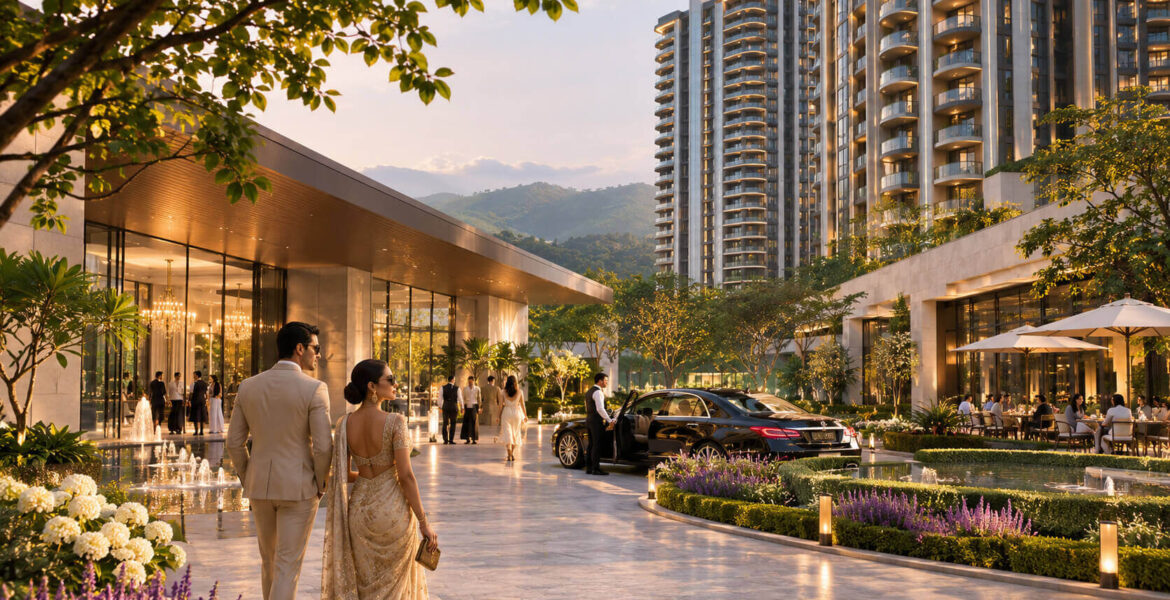
Changing retail infrastructure is another important catalyst. The emergence of premium shopping destinations, upscale hospitality developments, international dining concepts and thoughtfully designed residential communities is gradually reshaping the lifestyle aspirations of India’s smaller cities. Luxury is no longer confined to fashion and accessories; it increasingly encompasses architecture, fine dining, wellness, travel, automobiles, art and residential experiences. The idea of an elevated lifestyle is becoming more holistic. Consumers are looking for environments that offer privacy, thoughtful design, personalised services, and a sense of distinction. This creates opportunities for global brands across multiple sectors, particularly those that understand luxury as an experience rather than a transaction.
However, looking beyond metros requires more than simply extending a brand’s retail footprint. India’s emerging luxury markets are culturally diverse, and their consumers cannot be approached through a uniform strategy. A business family in Punjab may place considerable importance on hospitality, generational legacy and celebratory occasions, while a younger entrepreneur in Bengaluru may gravitate towards minimalism, contemporary design, and experiential exclusivity. Regional identities, family traditions, purchasing patterns, and local aspirations continue to influence consumption. The most successful international brands will be those that preserve their global identity while demonstrating an authentic understanding of the markets they enter. Cultural sensitivity should not be mistaken for superficial localisation; it requires genuine engagement with the communities a brand wishes to serve.
There is, nevertheless, an important distinction between aspiration and purchasing power. Not every consumer who recognises a luxury label is necessarily its immediate customer. The opportunity lies in understanding the different stages of the luxury journey, from aspirational buyers and first-time purchasers to established high-net-worth individuals and ultra-high-net-worth families. Brands must develop meaningful entry points without compromising their exclusivity. More importantly, they must recognise that emerging-city consumers are not inherently less sophisticated or less demanding. Their expectations of quality, service and authenticity can be every bit as exacting as those of their metropolitan counterparts.
Perhaps the most significant development is that luxury is beginning to acquire a distinctly Indian dimension. International brands are increasingly engaging with Indian craftsmanship, textiles, jewellery traditions and artistic heritage, recognising that cultural exchange can create a more meaningful proposition than simply importing a global aesthetic. Collaborations between international fashion houses and Indian artisans demonstrate the potential of this relationship. India’s luxury future may well be shaped by a dialogue between European heritage and Indian ingenuity, between global design sensibilities and deeply rooted cultural narratives.
Ultimately, the movement of luxury beyond metropolitan India is not simply a story of expanding markets or increasing disposable incomes. It is a story about the changing aspirations of a nation, the emergence of new centres of influence, and the growing confidence of consumers who no longer need a metropolitan address to participate in a global lifestyle. For international brands, the question is no longer whether smaller Indian cities possess the appetite for luxury. The more pertinent question is whether brands possess imagination, cultural intelligence, and commitment to meet that appetite.
India’s luxury map is being redrawn, and its most compelling destinations may not be the ones the industry has traditionally looked towards. The next great luxury address could be a boutique in Chandigarh, a private client gathering in Ludhiana or an architectural landmark in a city once overlooked by international retail strategists. The future belongs to brands that understand one essential truth: luxury has never truly belonged to a postcode. It belongs to those who recognise its value, appreciate its craftsmanship and make it an expression of their own identity.