
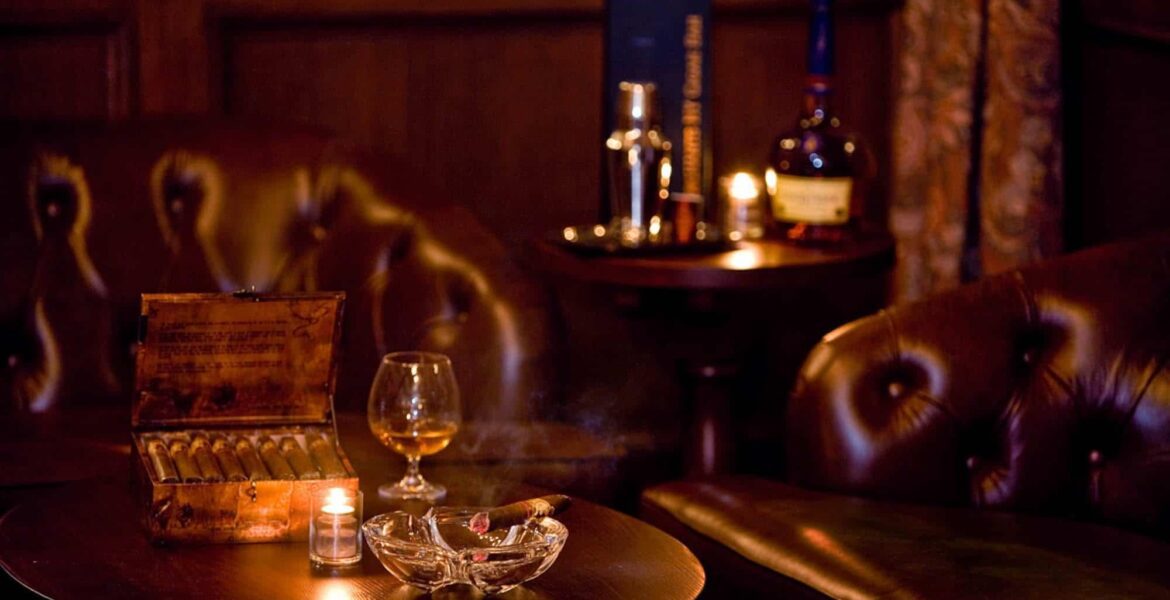
There is something undeniably captivating about a cigar room. The moment one steps inside, the atmosphere feels different. The lighting is softer, conversations seem more deliberate, and time appears to move at a slower pace. Leather armchairs, polished wood panelling, carefully curated spirits and the unmistakable aroma of premium tobacco create an environment that is as much about experience as it is about smoking.
 In recent years, cigar rooms have experienced a remarkable resurgence across luxury residences, private clubs, hotels and high-end hospitality venues. Once considered a relic of a bygone era associated with aristocrats, industrialists and old-world gentlemen, cigar lounges have returned as symbols of sophistication, exclusivity and refined social interaction.
The modern cigar room is no longer simply a place to smoke. It has become a statement of lifestyle, status and appreciation for craftsmanship. To understand why cigar rooms have become one of the most desirable luxury spaces today, it is essential to explore their fascinating history and the cultural significance they continue to hold.
The Ancient Origins of Cigar Culture
The story of cigars begins long before luxury lounges and private clubs. Tobacco has been used for thousands of years by indigenous peoples throughout the Americas. Historical records indicate that native communities in regions that now form Cuba, Mexico and the Caribbean smoked tobacco leaves rolled into primitive forms long before European explorers arrived.
When Christopher Columbus reached the Americas in 1492, members of his expedition observed indigenous populations smoking rolled tobacco. These early observations introduced tobacco to Europe, where it rapidly gained popularity among royalty, merchants and nobility.
By the sixteenth century, tobacco consumption had spread throughout Spain, Portugal, France and England. While pipes initially dominated European tobacco culture, the cigar gradually emerged as a preferred method of smoking, particularly among Spanish aristocrats.
Cuba soon established itself as the epicentre of premium cigar production. The island’s unique climate, fertile soil and centuries of agricultural expertise created conditions ideal for cultivating exceptional tobacco. Even today, Cuban cigars remain synonymous with prestige and craftsmanship.
The Gentleman’s Retreat
The concept of the cigar room began to take shape during the eighteenth and nineteenth centuries. In wealthy households across Europe and Britain, smoking was generally not conducted in formal drawing rooms where ladies and guests gathered.
After dinner, gentlemen would often withdraw to a separate room dedicated to cigars, brandy and conversation. These private spaces became known as smoking rooms.
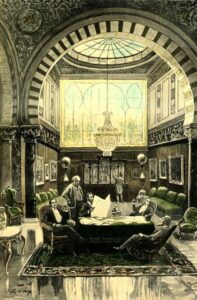
Victorian Britain embraced the smoking room as an essential feature of affluent homes. The room typically featured dark wood furnishings, heavy drapery, leather seating and extensive collections of books and spirits. It was a sanctuary where men discussed politics, business, literature and current affairs. The smoking room represented far more than a physical space. It reflected social customs of the era and became a symbol of privilege, intellect and camaraderie.
Many historic British country houses included elaborate smoking rooms designed to impress guests and showcase the owner’s sophistication. The tradition spread across Europe and eventually reached North America, where it became a hallmark of elite social clubs and grand residences.
 The Golden Age of Cigar Lounges
The late nineteenth and early twentieth centuries are often regarded as the golden age of cigar culture. Industrial expansion created immense wealth among entrepreneurs, bankers and business leaders. Cigars became associated with success and achievement. Captains of industry frequently celebrated major deals with cigars, while politicians and military leaders were often photographed with one in hand.
Exclusive gentlemen’s clubs flourished during this period. Establishments in London, New York and Paris featured luxurious cigar lounges where influential figures gathered to network and socialise. The image of the cigar became deeply embedded within popular culture. It symbolised confidence, authority and accomplishment.
Many of history’s most recognisable personalities were enthusiastic cigar smokers. Figures such as Winston Churchill helped cement the cigar’s iconic status. Churchill’s fondness for cigars became so legendary that a popular cigar size was eventually named after him.
During this era, cigar rooms evolved into important social environments where relationships were forged, business partnerships were formed and influential decisions were often discussed.
Decline During the Late Twentieth Century
Despite their prominence for centuries, cigar rooms experienced a significant decline during the latter half of the twentieth century. Several factors contributed to this shift.
Public attitudes towards smoking began to change as awareness of health concerns increased. Governments introduced stricter regulations governing tobacco use. Smoking bans became common in restaurants, offices and public venues.
Modern architecture also moved away from traditional smoking rooms. Open plan living spaces replaced compartmentalised interiors, leaving little room for dedicated cigar lounges.
Changing lifestyles played a role as well. The pace of modern life accelerated dramatically. Long evenings spent discussing business and politics over cigars became less common.
As a result, many cigar rooms disappeared entirely, surviving only within a handful of private clubs and luxury establishments.
Yet the story did not end there.
Why Cigar Rooms Are Trending Again
The current resurgence of cigar rooms may seem surprising at first glance, particularly in an era focused on wellness and technology. However, their return reflects broader cultural trends that extend far beyond smoking itself.
The Search for Authentic Experiences
Modern consumers increasingly value experiences over possessions.
Luxury today is no longer defined solely by expensive products. Instead, it is measured by access to meaningful and memorable moments. A cigar room offers exactly that. The ritual of selecting a cigar, cutting it properly, lighting it carefully and enjoying it slowly creates an experience rooted in patience and mindfulness. In a world dominated by instant gratification, cigar culture encourages individuals to slow down and appreciate the present moment.
The Rise of Private Social Spaces
Digital communication has transformed the way people interact. While technology has made communication easier, many people feel increasingly disconnected from genuine face to face conversation. Cigar rooms provide an antidote to this phenomenon.
Unlike loud bars or crowded restaurants, cigar lounges encourage meaningful discussions. Mobile phones often become secondary to conversation. Guests engage with one another in a more deliberate and personal manner.
As a result, cigar rooms have become valuable social environments for professionals, entrepreneurs and enthusiasts seeking authentic human connection.
Luxury Residential Design Trends
One of the most notable developments in recent years has been the incorporation of cigar rooms into luxury residential projects. Affluent homeowners increasingly seek personalised spaces that reflect their interests and lifestyle. Home theatres, wine cellars and wellness suites have become common features of high-end properties. The cigar room has joined this list of aspirational amenities.
Modern residential cigar rooms often include advanced ventilation systems, humidity-controlled storage, bespoke cabinetry and integrated bars. Many are designed as multifunctional spaces that can accommodate business meetings, private gatherings and relaxation.
For property developers, a cigar lounge adds a distinctive layer of exclusivity that appeals to discerning buyers.
 Hospitality Industry Innovation
Luxury hotels have embraced the revival of cigar culture.
Many premium hospitality brands now feature dedicated cigar lounges where guests can enjoy curated cigar collections alongside fine whisky, cognac and premium spirits. These venues offer immersive experiences that combine craftsmanship, education and indulgence. Knowledgeable sommeliers and cigar specialists guide guests through pairings and tasting experiences, elevating the entire ritual. For hotels seeking differentiation in a competitive market, cigar lounges provide a unique offering that cannot easily be replicated.
The Psychology Behind the Appeal
The popularity of cigar rooms is not solely about tobacco. Psychologically, these spaces fulfil several human desires. First, they provide exclusivity. People are naturally drawn to environments that feel rare and distinctive. Second, they offer ritual. Modern life is increasingly efficient, but often lacks ceremonial experiences. The cigar ritual restores a sense of occasion and intentionality. Third, they create identity. Enthusiasts often view cigar appreciation as a hobby rooted in knowledge and craftsmanship. Learning about tobacco origins, ageing processes and blending techniques becomes part of the experience.
Finally, cigar rooms evoke nostalgia. Even younger generations are attracted to environments that feel timeless and steeped in tradition.
The Influence of Popular Culture
Film, television and literature have played a significant role in maintaining the allure of cigar culture.
Throughout cinematic history, cigars have been associated with powerful and charismatic characters. Business magnates, politicians, military commanders and cultural icons have frequently been portrayed enjoying cigars during moments of triumph or reflection.
These representations have contributed to the enduring perception of cigars as symbols of confidence and achievement.
Social media has amplified this trend. Luxury lifestyle influencers often feature cigar lounges alongside premium watches, fine spirits and bespoke tailoring. The visual appeal of a beautifully designed cigar room translates exceptionally well across digital platforms.
As a result, younger audiences are discovering cigar culture through modern channels while appreciating its historic roots.
Design Elements of the Modern Cigar Room
Today’s cigar rooms blend traditional aesthetics with contemporary technology. Rich materials remain central to the design language. Leather, walnut, mahogany, brass and stone create a sense of permanence and luxury.
However, modern ventilation systems have revolutionised cigar lounge design. Advanced air filtration ensures comfort for guests while maintaining optimal smoking conditions.
Humidity control is equally important. Premium cigars require specific environmental conditions to preserve flavour and quality. Many cigar rooms feature walk in humidors or custom storage solutions that maintain ideal humidity levels.
Lighting plays a crucial role as well. Warm, ambient illumination encourages relaxation while highlighting architectural details and collections.
The result is a space that feels intimate, sophisticated and highly personalised.
Beyond Smoking: A Lifestyle Destination
Perhaps the most significant reason cigar rooms are thriving today is that they have evolved beyond their original purpose. The modern cigar lounge functions as a lifestyle destination. Business meetings are conducted there, friendships are strengthened there and celebrations take place there.
Many guests visit cigar lounges not necessarily because they are passionate smokers but because they appreciate the atmosphere and culture surrounding the experience. The cigar itself becomes part of a broader narrative involving craftsmanship, hospitality and human connection.
This evolution has helped cigar rooms remain relevant in a changing world.
The Future of Cigar Rooms
Looking ahead, cigar rooms are likely to continue evolving. Sustainability is becoming increasingly important within luxury industries, including premium tobacco production. Consumers are showing greater interest in ethical sourcing, environmental responsibility and artisanal manufacturing.
Technology will also influence future cigar lounges. Smart humidity systems, advanced air purification and personalised storage solutions are becoming increasingly sophisticated.
At the same time, the fundamental appeal of the cigar room is unlikely to change.
People will continue seeking spaces where they can disconnect from constant digital stimulation, engage in meaningful conversation and enjoy moments of reflection.
In many ways, the resurgence of cigar rooms represents a reaction against the pressures of contemporary life. They offer something increasingly rare: the opportunity to slow down.
The cigar room is far more than a trend. It is the modern revival of a tradition that stretches back centuries. From indigenous tobacco rituals in the Americas to Victorian smoking rooms and the grand lounges of the twentieth century, cigar culture has continually adapted to changing social landscapes. Although it experienced a period of decline, it has returned with renewed relevance and purpose.
Today’s cigar rooms embody craftsmanship, exclusivity and experience. They satisfy a growing desire for authenticity in an increasingly digital world. They provide spaces for conversation, contemplation and connection at a time when such opportunities can feel increasingly scarce.
Their resurgence reflects a broader shift within luxury culture. Modern consumers are not simply seeking products. They are seeking stories, rituals and environments that enrich their lives.
Whether located within a private residence, an exclusive club or a five-star hotel, the cigar room remains a symbol of refinement and leisure. Its enduring appeal lies not merely in the cigar itself, but in everything the space represents: tradition, craftsmanship, fellowship and the timeless pleasure of slowing down long enough to savour a moment.