
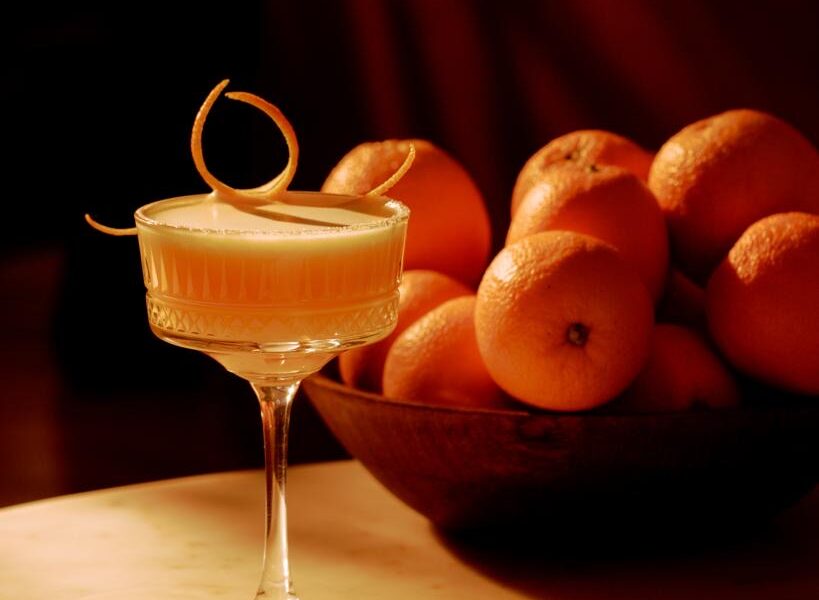
Vijay Prakash – Mentor. Maverick. Maestro
In a realm where mixology often leans toward the fleeting and the flamboyant, Vijay Prakash stands apart—a quiet revolutionary shaping India’s cocktail culture with a master’s touch. With over two decades of spirited innovation, Vijay, fondly known as VeePee, has emerged not merely as a mixologist but as a conjurer of experiences, a mentor of talent, and a true artisan of liquid art.
Guided by the visionary Mr. Riyaaz Amlani, the force behind Impresario Entertainment & Hospitality, Vijay found fertile ground to distil his craft into something greater. Impresario—home to celebrated names like Social, Smoke House Deli, and Banng—has become synonymous with imaginative dining, creative expression, and community. Under this banner, Vijay has reimagined what a cocktail can be: not just a drink, but a story in a glass.
As Head of Beverages for North, East, and Central India, Vijay has created signature concoctions that blend regional soul with global sophistication. From the bold Banarasi Patiala to the cult-favorite LLIT, his creations don’t just excite the palate—they evoke nostalgia, ignite conversations, and inspire reverence. At Smoke House Deli, his luxury cocktails—such as the Le Soixanties Martinare and Jâmun L’amante—are crafted in harmony with seasons, global trends, and sensory indulgence.
His vision is immersive, blending sustainability, artistry, and storytelling. Every pour is a page from his manifesto: drinks should delight, but also define. For Vijay, the bar is not a counter—it is a canvas. And on it, he paints with flavour, finesse, and philosophy.
Revered in elite circles as The Mélangeur, Vijay Prakash is more than a name—he is a movement. A maestro of modern hospitality, he continues to raise the bar, not with noise, but with nuance. His drinks do not merely serve—they stir the soul.
Was there a specific moment or mentor that shaped your style behind the bar?
The bar itself was my greatest mentor. I learned by watching, experimenting, and listening. Every shift was a masterclass. But it was at Indigo that I truly discovered finesse and elevated guest interaction.
How do you balance innovation with the classics? Do you have a philosophy when it comes to mixing?
Balance is everything. Classics are your roots—you don’t tamper with them unless you truly understand them. Innovation? That’s where you infuse your soul. I treat mixing like storytelling—every drink should have structure, purpose, and maybe a little surprise, but never just noise. I respect tradition, but I’m not afraid to break rules when it makes sense. My philosophy? Know the rules well enough to break them beautifully.
How would you define mixology, and how is it different from standard bartending?
Bartending is a service; mixology is an art. One serves, the other creates.
What are the key elements of creating a well-balanced cocktail?
Balance lies in understanding acidity, sweetness, bitterness, and strength. But beyond that, it’s about mood, memory, and mouthfeel. Every sip should feel like a journey.
How important is technique versus creativity in mixology?
Technique is your suit and tie—clean, sharp, respectful. Creativity is the glint in your eye. You need both. Technique ensures balance, but creativity is what makes a drink unforgettable.
“Master the rules, then charm your way around them. A good drink should impress the mind and seduce the senses.” – VeePee
What are some essential tools every mixologist should master?
Your palate is your first tool. Beyond that: jiggers for precision, shakers for energy, strainers for finesse, and a bar spoon for elegance. And never underestimate the power of perfect ice.
Do you have a signature cocktail? What’s the story behind it?
The Banarasi Patiala is my signature. It’s a nostalgic tribute—a Patiala-style pour, larger than life, inspired by the soulful chaos of Banaras and the boldness of sugarcane juice served in oversized glasses.
Tell us about a time a drink you created flopped—what did you learn from it?
There was a beetroot and gin cocktail I once made—it looked stunning but tasted like a distressed garden. I learned that trendy ingredients don’t always harmonize. Taste with honesty, always.
How do you approach experimenting with new ingredients or flavours?
With childlike curiosity. I test, fail, refine, repeat.
What role does presentation play in modern mixology?
You sip with your eyes first. A cocktail should be a full experience—aroma, visuals, texture, and taste. Presentation bridges curiosity and consumption.
How do you decide which spirits and mixers pair well together?
It’s like matchmaking. You study each profile—body, aroma, strength—and find harmony. I often think in terms of mood: is it bold, reflective, celebratory?
How do you incorporate seasonal or local ingredients into your creations?
Simple—I let the season marry the glass. If it’s fresh, local, and vibrant, it belongs. Mango beer in summer? Absolutely. It keeps the menu alive and makes every drink feel made for the moment.
How has mixology evolved in recent years, especially regarding trends and customer expectations?
Today’s guests are informed, curious, and adventurous. Mixology has become a dialogue about provenance, sustainability, and philosophy. Cocktails are no longer just drinks—they’re cultural experiences.
What’s your take on molecular mixology and other modern techniques?
They have their place. When used with purpose, molecular techniques can enhance storytelling. But they must evoke emotion, not just be a gimmick.
Do classic cocktails still influence modern mixology? In what ways?
Always. They are the roots of our craft. I love deconstructing classics like the Negroni or Old Fashioned and rebuilding them with local flavours or unexpected twists. It’s reverence—with rebellion.
What is the importance of aroma and texture in the overall cocktail experience?
Aroma sets the stage—it’s the first impression. Texture keeps you sipping. A well-crafted cocktail plays in layers: the scent teases, the sip delivers, and the finish lingers.
When you’re not mixing, what’s your go-to drink?
When it’s just me and the glass, it’s a smooth house brew—subtle, smoky, chilled just right. Or simply water to hydrate. In summer, it’s cold-pressed orange juice—no ice. Occasionally, a dash of Campari if the mood calls for crispness.
What does your home bar look like? Any essentials you think everyone should have?
Eclectic but functional. Bitters, vermouths, home infusions, and quality glassware. Essentials? A solid shaker, muddler, citrus peeler, and fresh garnishes. And always, a journal for notes.
If you could have a drink with any historical figure, who would it be and what would you serve them?
Tell me who comes to your mind—and I’ll craft a drink worthy of their legacy.
Any pet peeves or myths about bartending that you’d like to bust?
That bartending is a side gig. It’s a serious craft that demands intellect, empathy, and discipline. Also, not every drink needs ten ingredients—simplicity is often supreme.
How do you keep your skills sharp and stay current with global bar trends?
Through travel, collaboration, and constant experimentation. I attend expos, visit distilleries, and connect with bartenders worldwide. Learning is a lifelong pour.
What advice would you give to someone exploring mixology seriously, as a hobby or a career?
Start with passion. Stay humble. Taste everything. Don’t just memorise recipes—learn the stories behind them. And above all, serve with heart. That’s what transforms a good drink into a great one.
Whether it’s a Mango Beer, Cabbage Beer, Champagne Beer at Social, or a festive brew at Mocha—if it’s bold, thoughtful, and full of soul, there’s a good chance it was crafted—or inspired—by Vijay Prakash. Stirred by passion and refined by practice, VeePee continues to pour his legacy into every glass he touches.