
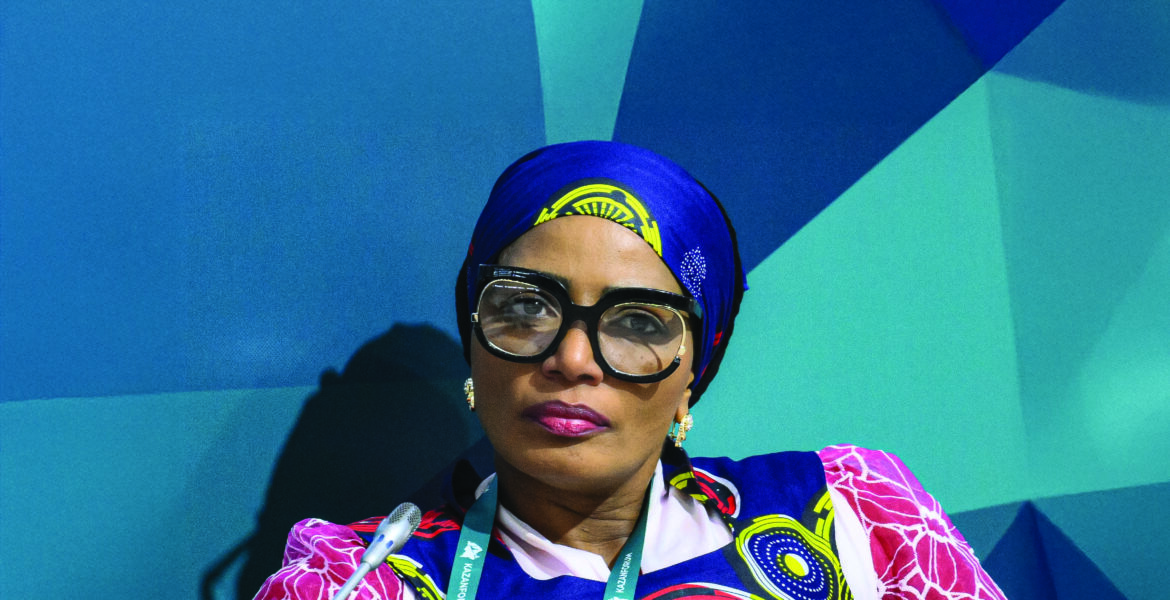
Breaking Barriers, Building Legacies: The Unstoppable Journey of Professor Halima Khunoethe
Professor Halima Khunoethe is a trailblazer in every sense of the word — a scholar, public servant, author, and fierce advocate for gender equity. With multiple PhDs, groundbreaking leadership roles in government, and a passion for lifting women into positions of power, her journey reflects a life of purpose, resilience, and impact. As the first female HR Manager in South Africa’s National Parliament during Nelson Mandela’s presidency, and a leading voice in forums such as BRICS and the Islamic Chamber of Commerce, Professor Khunoethe continues to reshape narratives in leadership, governance, and gender empowerment. In this candid conversation, she shares insights from her remarkable path and the vision that continues to drive her forward.
A Lifelong Journey of Purpose and Empowerment
I come from a strong family that honoured tradition while emphasising education as a tool for empowerment. Although my parents didn’t reach the highest academic levels, they instilled in us the belief that knowledge is power. Witnessing the lasting scars of apartheid compelled me to enter public service—to influence policy and help rebuild a more inclusive South Africa.
Breaking Through Barriers in Parliament
It was an honour, but it came with significant challenges. Parliament was rooted in patriarchal norms, and women were rarely seen in senior roles. I was often labelled “too assertive” for simply exercising my authority. It took resilience and consistently high-quality work to gain respect in such an environment.
From Academia to Public Service
I was active in student movements and understood that real change happens at the policy level. Government is the engine of national development, and I wanted to be part of creating an equitable and progressive South Africa.
Resilience Amid Adversity
Balancing work, academic pursuits, and family life has been a consistent challenge. Being a woman in leadership means constantly having to prove yourself. I overcame this through determination, strategic positioning, and unwavering belief in my purpose.
Strategising for Impact in KZN
Creating the strategy required extensive stakeholder engagement and a deep understanding of municipal realities. Resistance to change and bureaucracy were major hurdles. Gaining leadership buy-in and focusing on measurable outcomes were key to successful implementation.
Empowering Women Through Forums
Both platforms were founded to empower women through mentorship, leadership development, and knowledge-sharing. These initiatives help bridge gender gaps in professional spaces and encourage women to lift each other. With the right support, training, funding, and networks, women can rise.
International Leadership and Global Lessons
It was a defining experience. Navigating economic diplomacy in different cultural contexts taught me the importance of inclusive trade practices. Ensuring women-led businesses had access to international opportunities was a key priority for me.
Writing for Change
Gender-based violence and inequality are pressing global crises. The book aims to empower women with knowledge and provide practical tools for navigating systemic oppression. The response has been overwhelmingly positive across sectors, highlighting the need for continued advocacy.
Women in BRICS: Breaking New Ground
Women in BRICS nations face common systemic barriers but also unique opportunities within emerging economies. We need targeted support—access to capital, training, and mentorship—to help women fully participate in global markets.
Flying High — Literally
Flying has always fascinated me. Beyond personal fulfillment, it also has practical applications in areas like disaster response. Africa needs more private pilots, especially women. Balancing this with my career is tough, but time management and passion keep me grounded—ironically and literally.
Advice to Future Scholars and Leaders
Commit to lifelong learning and strategic planning. Your writing can be a tool for empowerment. I encourage documenting knowledge and experiences—not only to teach but to leave a legacy.
Building International Bridges
Such partnerships bring access to markets, technology, and educational exchange. Challenges include differing regulations and diplomatic barriers. But through strategic alignment and mutual respect, these relationships can transform economies.
Governance Through the APRM
Though brief, my time with the APRM has been impactful. It’s a vital tool for promoting governance across the continent. Challenges remain, like implementation delays and political resistance, but the potential for policy reform is significant.
The Future of Women in Leadership
Women’s leadership in South Africa is rising, but systemic barriers still exist. We need to focus on education, mentorship, and policy reform. My motto is: *To achieve greatness, you must stay focused on the bigger picture.