
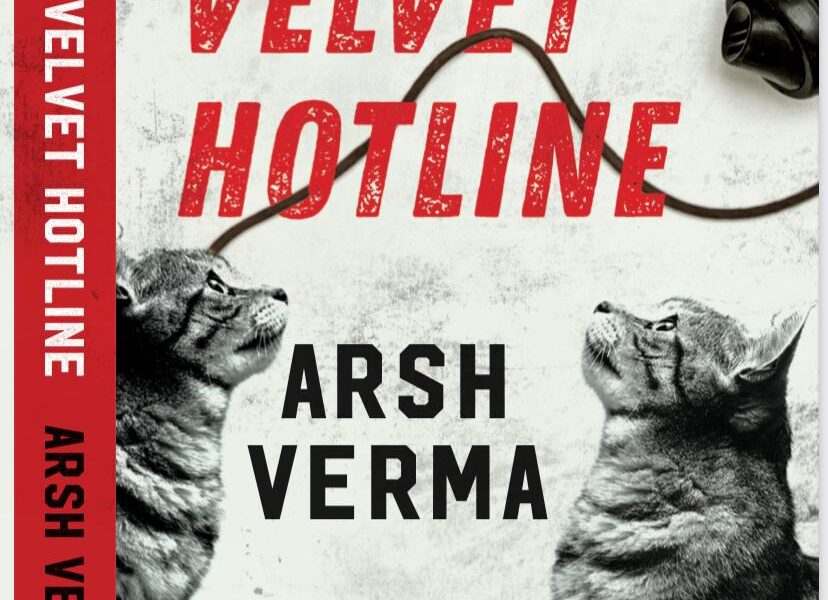
Holding the Line: The Heart of Velvet Hotline
Introduction: A Story About Surviving the Storm
Velvet Hotline is not just a novel—it’s a quiet cry in the dark, a hand held out to anyone who’s ever felt overwhelmed by life’s crushing weight. At its core, it is a deeply human story about connection, resilience, and the act of holding on when everything else seems to be falling apart. The book’s final line, delivered by its protagonist Ayingbi—“I hope you will, too”—sums up the emotional heartbeat of the novel. It’s a gentle fourth-wall break, a whisper across the page, reminding readers that in a world full of hardship, continuing to endure is sometimes the bravest thing we can do.
The Core Message: Hold On, Even When It Hurts
The central theme of Velvet Hotline is the quiet, often unglamorous courage it takes to keep going. Life, as Ayingbi experiences and reflects, can be unrelentingly hard. The novel doesn’t offer grand, sweeping solutions to suffering. Instead, it shows how, in the face of seemingly endless adversity, sometimes the most heroic act is simply choosing not to give up. Ayingbi’s hope—that she can hold on, and that the reader will too—is not a passive wish. It is an act of defiance against despair, and a call to resilience in its most honest form.
Inspiration Behind the Hotline
The genesis of Velvet Hotline came from a place of intellectual curiosity about a grim topic: suicide. It struck the author as paradoxical that human beings, wired by evolution to survive, are also capable of willfully ending their lives. This contradiction felt deeply philosophical—and ultimately, deeply human. This seed of inquiry grew into a fictional space that explores these themes with empathy and insight.
Blending Police Work With Fiction
Though Velvet Hotline is not a conventional crime novel, the author’s background as an Indian Police Service officer informs the narrative’s tension and urgency. Many of the high-stakes decisions Ayingbi faces—making life-or-death calls with little time or information—mirror the intense, real-world challenges of law enforcement. The experience of working under immense pressure lends authenticity to the emotional stakes of the novel.
Interestingly, the book does not portray the police directly. Instead, it subtly challenges public perceptions by demonstrating that officers are more than enforcers of the law—they are humans capable of deep empathy, creativity, and vulnerability.
Gray Areas and Moral Dilemmas
Ayingbi’s journey is riddled with ethical quandaries: breaking into homes to save lives, choosing which suicidal caller to prioritize, and navigating deeply personal boundaries. These moments mirror the infamous “trolley problem,” where every choice carries both hope and harm. What makes these dilemmas resonate is not the search for perfect answers, but Ayingbi’s emotional honesty—her willingness to question her actions, to carry the emotional cost of her choices, and to be transparent in her uncertainty.
Witnessing Human Strength and Kindness
Years of policing have offered the author intimate glimpses into both the fragility and the resilience of the human spirit. From victims of violence finding the strength to rebuild, to good Samaritans who rush injured strangers to hospitals or stand up for justice despite danger, these real-life acts of courage and kindness shape the emotional truth of Velvet Hotline. The novel’s worldview is never cynical—it firmly believes in the fundamental goodness of people.
Creating Ayingbi: A Mirror, Yet Different
Though Ayingbi and the author come from vastly different backgrounds—she is a 29-year-old kindergarten teacher from Manipur who volunteers at a suicide hotline—there is a shared core between them: the desire to help, to reach out, to make a difference. Crafting her voice was a challenge, especially shifting from the command-driven mindset of a police officer to a softer, more uncertain civilian lens. Ensuring her identity as a Manipuri woman was represented authentically without falling into stereotypes was also crucial. But what makes her most compelling is her vulnerability—her humour, her mistakes, her tears, her honesty. She is not a perfect heroine, but a deeply human one.
The Velvet Hotline: A Portal and a Metaphor
The “Velvet Hotline” itself, originally titled The Violet Hotline, is both a plot device and a metaphor. In the story, it’s a secret phone line that connects the real world with a supernatural presence known as the Teeterling. But symbolically, it’s a stand-in for human connection in an urban, often isolating world. It represents how modern tools for communication often fail to deliver real empathy, yet how persistence—Ayingbi’s persistence—can bridge even those gaps.
Mental Health at the Center
Mental health is not a subplot in Velvet Hotline—it is the very fabric of the story. The narrative treats mental well-being not as a niche concern but as central to human experience. When people are not well inside, it spills into every part of life—relationships, work, even self-worth. The book advocates for treating mental health as a matter of dignity and necessity, not stigma. Through the hotline, Ayingbi doesn’t offer perfect solutions. She offers presence. And sometimes, just staying on the line with someone while they weather their storm is everything.
Balancing Two Lives: Officer and Writer
Writing is more than a hobby—it’s both a release and a reflection. The author writes on weekends, drawing not only from imagination but also from experiences at work. The creative process sometimes serves as catharsis, especially when exploring genres far from the world of policing. But even when writing darker material, the act of storytelling itself brings joy and renewal.
More Than Just Writing: Artistic Outlets and Inspirations
Beyond writing, the author enjoys drawing—especially scenes from the book—and is learning to play the ukulele. These pursuits offer creative rest stops, enriching the writing process. Television is a rare indulgence, but favourites include Succession, Better Call Saul, and Shogun. And if given the chance to travel anywhere, the Galapagos Islands top the list—offering yet another reminder that the world is full of strange beauty, much like the world of Velvet Hotline.
A Lasting Hope
Ultimately, Velvet Hotline is about hope. Quiet, persistent, resilient hope. It doesn’t promise that everything will get better, but it does suggest that holding on might just be worth it. Ayingbi’s final words to the reader are not just a farewell—they are a lifeline. “I hope you will, too.”