
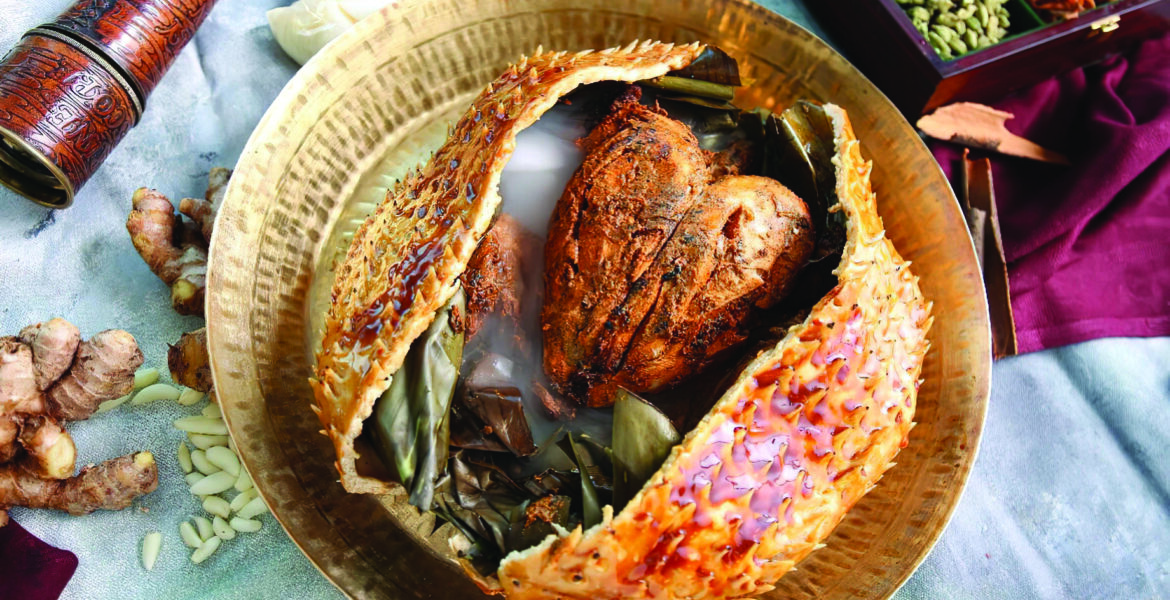
Kotkapura’s Atta Chicken Steals the Spotlight from Tandoori
Text: Manokriti Bedi
While tandoori chicken has long been Punjab’s culinary ambassador to the world, a hidden gem from the state’s Kotkapura region is now captivating the palates of non-vegetarian food lovers: atta chicken. This lesser-known delicacy is experiencing a significant resurgence in popularity, stepping out of the shadows and into the gastronomic spotlight.
In a session meant to be dominated by fiscal policies, infrastructural blueprints, and developmental promises, something entirely unexpected sparked murmurs of delight and interest among legislators: Atta Chicken. Served during the lunch break of the state budget assembly, this humble yet regal dish took center stage on the palate—and in the conversations that followed.
The origin of this delicious interlude? A thoughtful gesture from an MLA representing Kotkapura, a town in Punjab’s Faridkot district, known not only for its rich political history but also for being the birthplace of this extraordinary delicacy.
A Meal that Spoke of Heritage
Amid files, debates, and fiscal numbers, the scent of slow-cooked chicken wafted through the corridors of the Vidhan Sabha cafeteria. Many MLAs, journalists, and staff members were seen inquiring about the dish that had piqued their curiosity. When told it was “Atta Chicken from Kotkapura,” it triggered not just appetite but nostalgia, especially for those who knew its roots.
Atta Chicken is no ordinary dish. It is not just a meal, but an embodiment of slow-cooked artistry wrapped in tradition and innovation. Its surprising entry into the political setting was both a cultural statement and a heartwarming reminder of Punjab’s deep relationship with food.
What is Atta Chicken?
At first glance, it might sound like a gimmick—chicken wrapped in wheat dough—but Atta Chicken is a labour of love, precision, and technique. The preparation begins with marinating the chicken in a symphony of curd, cream, garlic, ginger, garam masala, and secret spice blends—each family or chef giving it their signature touch.
The marinated chicken is then wrapped in banana leaves and sealed tightly in a thick casing of atta (whole wheat dough), like a precious artefact being protected from the outside world. The dough shell is not just a vessel but a slow cooker. It is placed in a tandoor or under hot coals for hours. The heat slowly seeps through the dough, gently cooking the chicken inside in its juices, allowing the spices to deeply infuse the meat.
When the dough is finally cracked open, a fragrant steam rises like incense, unveiling tender, fall-off-the-bone chicken soaked in flavour. The atta shell, slightly charred on the outside, soft inside, absorbs some of the spices and can also be eaten, though in many cases it is simply discarded, having served its purpose as a cooking vessel.
How Kotkapura Became the Capital of Atta Chicken?
Atta Chicken, a culinary gem from Kotkapura, Punjab, was innovatively developed by local farmers. Known for its rustic charm, the dish involves marinating chicken, sealing it in a thick wheat flour (atta) dough shell, and baking it over fire until the outer shell blackens and hardens. This technique locks in flavours and juices, resulting in incredibly tender meat. Historically, farmers and travellers, especially those resting or sleeping in jungles, used this method for its convenience and preservation. Over time, this hearty jungle-born dish evolved into a celebrated speciality, making Kotkapura synonymous with Atta Chicken.
Today, Kotkapura’s “Makhan Da Dhaba” is a culinary landmark. Visitors from all over Punjab—and beyond—make detours to taste the original Atta Chicken. The recipe, though guarded with reverence, has now been replicated across India and even in Indian restaurants overseas. Yet, the soul of the dish still resides in the smoky kitchens of Kotkapura, where the dough is patted by hand, and the tandoor blazes like a portal to culinary heaven.
A Cultural Symbol at a Political Platform
That this dish was served in the assembly, especially on a day as significant as the state budget presentation, is no coincidence. It is a quiet, flavorful assertion of local pride by the MLA from Kotkapura. In doing so, he reminded everyone that regional heritage deserves a place in even the most formal corridors of governance.
In many ways, food is politics—and not just in the metaphorical sense. It is a representation of identity, culture, and socio-economic history. Bringing Atta Chicken to the table in the state assembly is a subtle but strong message: while policies shape progress, heritage roots us.
The Reactions: Applause Beyond Words
Unsurprisingly, the reaction was overwhelmingly positive. MLAs from other districts, some of whom were unfamiliar with the dish, were seen asking for second helpings. A few even inquired about its origin and recipe, with talk of visiting Kotkapura soon. The moment turned light-hearted when one legislator joked, “Forget the budget deficit, let’s debate the secret of this masala!”
Political rivalries momentarily took a backseat, replaced by shared plates and appreciative smiles. That’s the magic of Atta Chicken. It unites. It surprises me. And most importantly, it lingers—not just on the taste buds but in memory.
More Than Just a Meal
Amid policy drafts and reformative speeches, Atta Chicken offered a delicious pause—a reminder that governance is as much about culture as it is about commerce. The Kotkapura MLA’s choice to serve this dish was more than a culinary treat; it was a tribute to his roots, an homage to local enterprise, and a celebration of Punjab’s undying romance with food.
As lawmakers returned to their seats post-lunch, they carried with them not just insights on economic strategy, but also the warmth of a rustic dish that told a story—one that began in a small town’s dhaba and found its way to the heart of the state’s legislative assembly.