
Is Punjab Losing Its Food Identity to Instagram Trends?
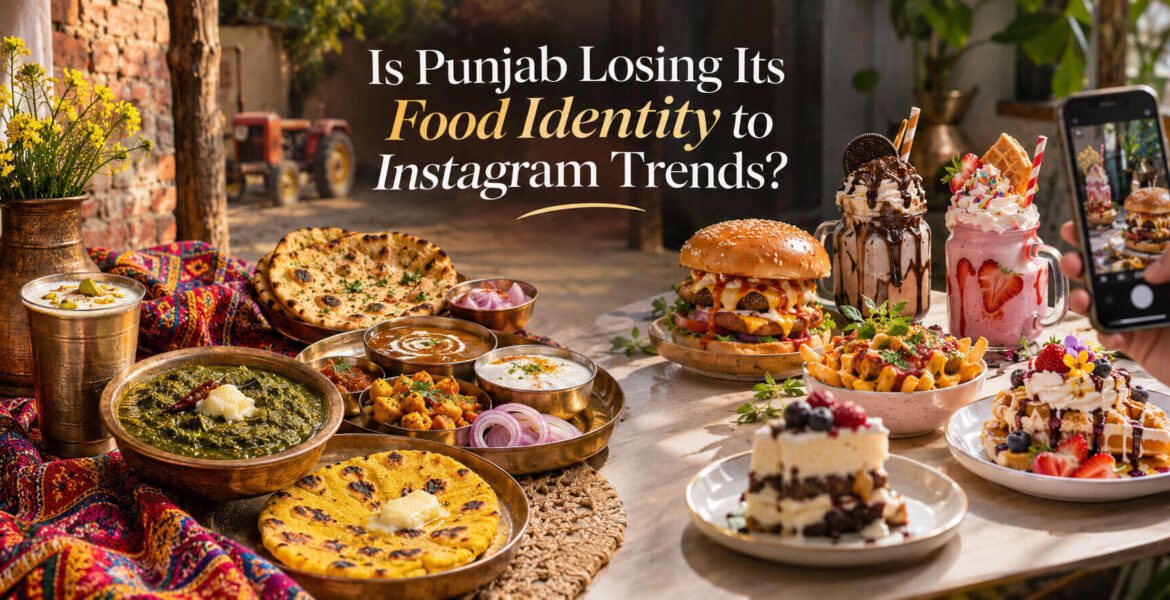
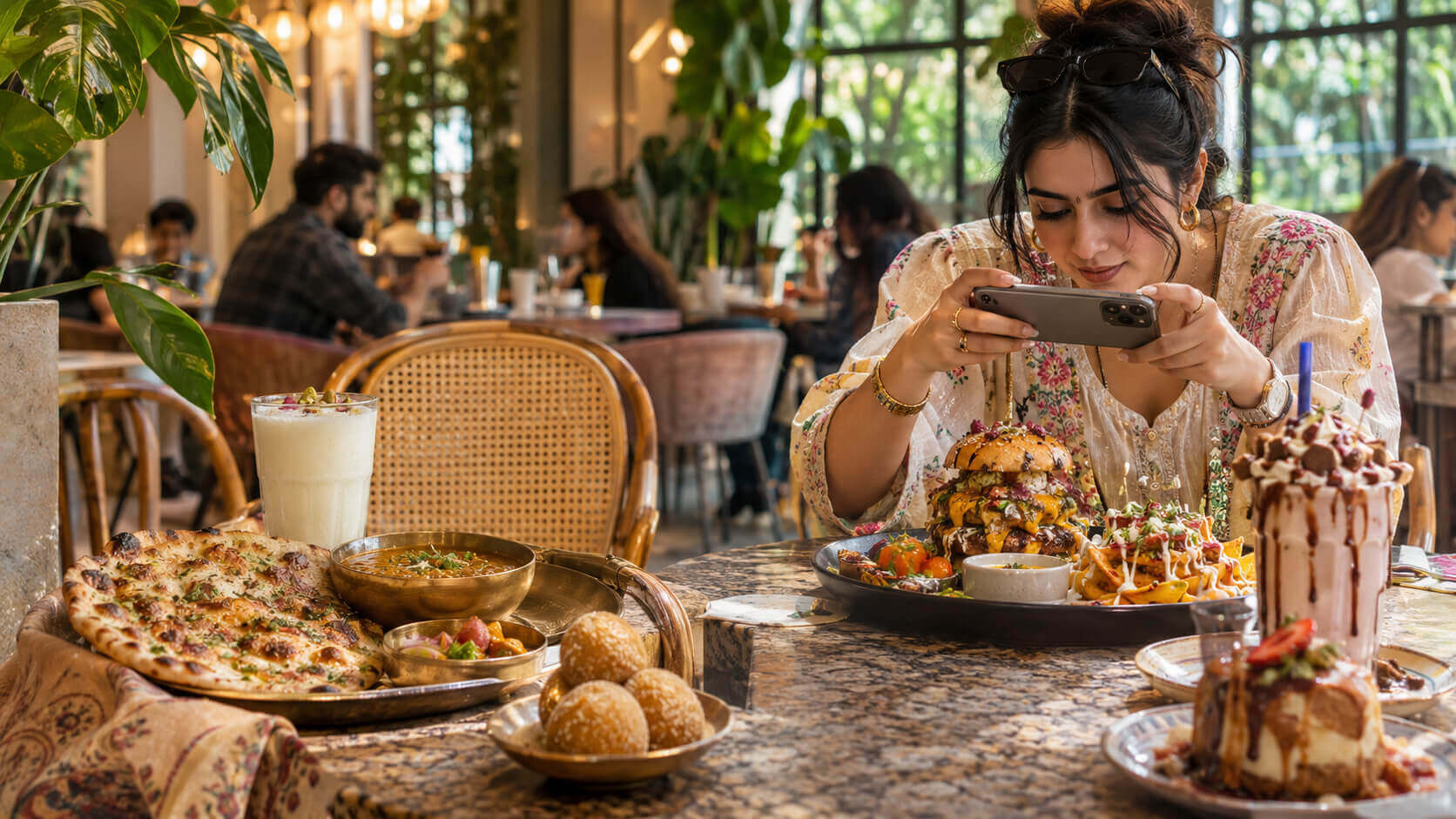
When viral food aesthetics begin to overshadow centuries-old culinary traditions, Punjab must ask itself whether it is evolving its food culture or slowly losing the essence of it.
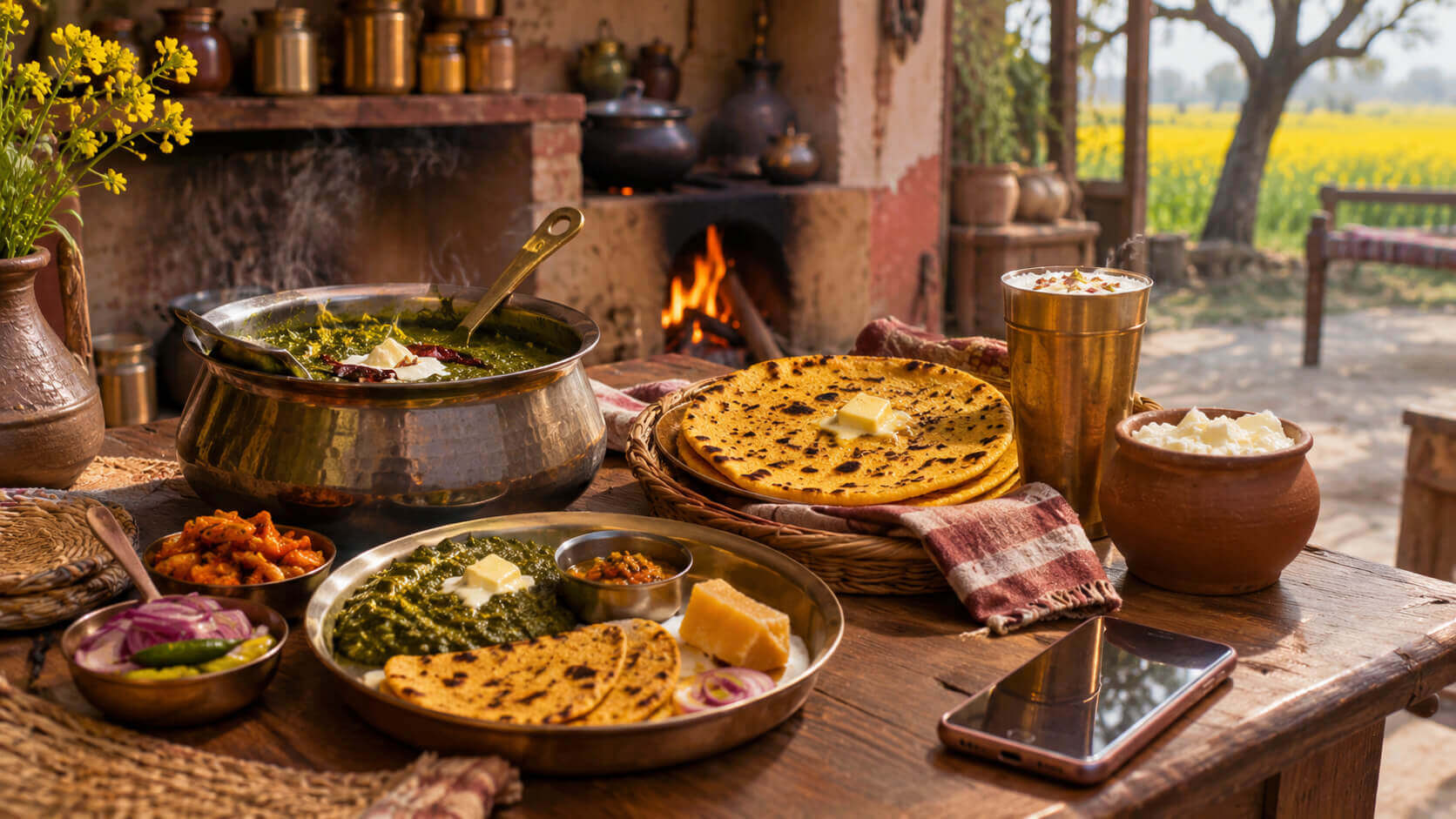
Punjab’s relationship with food has never been merely about nourishment. It is an expression of hospitality, heritage, generosity, and community. From the unmistakable aroma of sarson da saag simmering in winter kitchens to the comforting richness of makki di roti, from freshly churned white butter to a glass of sweet, frothy lassi, Punjabi cuisine has long celebrated authenticity over appearance. Food here is deeply intertwined with identity, carrying stories of generations, agricultural abundance, and the warmth of a culture that believes no guest should ever leave hungry.
However, a new culinary influence is steadily reshaping the way Punjab eats, presents, and perceives its food: Instagram.
Across cities such as Chandigarh, Ludhiana, Amritsar, and Jalandhar, the food landscape is witnessing a remarkable transformation. Cafés are introducing extravagant milkshakes, oversized burgers, Korean-inspired dishes, elaborate dessert jars, and visually dramatic beverages. Restaurants are experimenting with unusual combinations, while food influencers are turning ordinary meals into elaborate digital experiences. The rise of Instagram food trends has undoubtedly changed dining preferences, particularly among younger consumers.
The question, therefore, is not whether Punjab’s food culture is evolving. It undoubtedly is. The more pressing question is whether, in the pursuit of virality, the state is gradually distancing itself from the culinary traditions that once defined it.
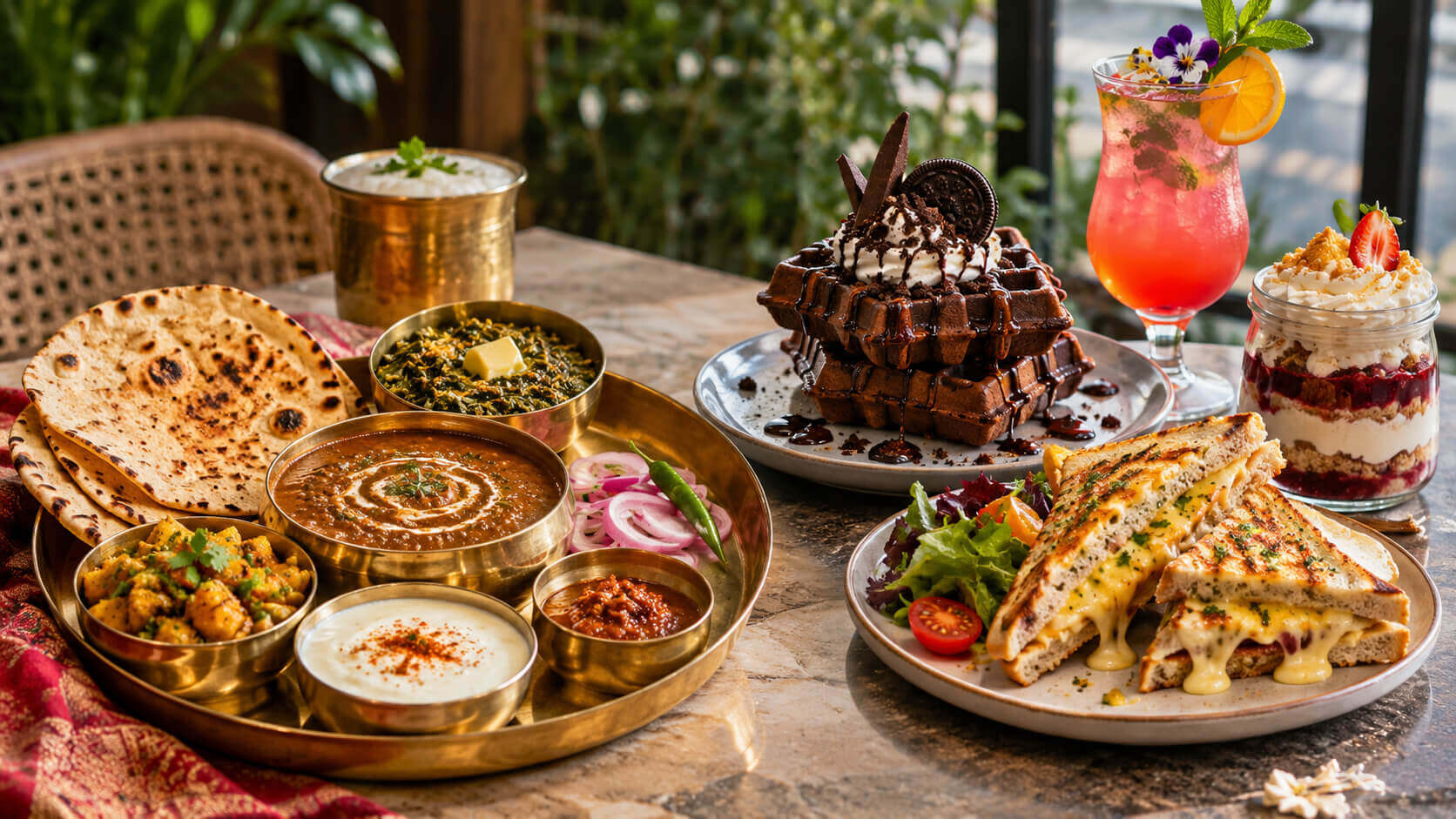
Social media has fundamentally altered the economics of dining. A dish is no longer judged exclusively by its flavour, ingredients, or preparation; its visual appeal has become an equally powerful currency. A towering chocolate waffle, a cheese-loaded sandwich, or a brightly coloured mocktail can attract thousands of views, while a traditional meal prepared through hours of patient cooking may struggle to receive the same digital attention.
Consider the contrast between a traditional Punjabi thali and a contemporary café platter. The former may include dal makhani, seasonal vegetables, fresh rotis, homemade pickles, curd, and a generous serving of desi ghee. Its appeal lies in balance, nourishment, and familiarity. The latter might feature a visually striking arrangement of fusion appetisers, colourful sauces, and experimental desserts, designed as much for the camera as for the palate.
Neither approach is inherently inferior. The concern arises when presentation begins to dictate preference, and culinary substance becomes secondary to photographic appeal.
Even traditional dishes are increasingly being reimagined to suit the demands of social media. Kulchas are being reinvented with unconventional fillings, parathas are appearing in oversized formats, and classic desserts are being transformed into elaborate fusion creations. While experimentation is an integral part of any evolving food culture, the constant pressure to create something extraordinary risks making the ordinary seem irrelevant.
Punjab possesses an extraordinarily rich culinary vocabulary, much of which extends beyond its most commercially recognised dishes. The true essence of traditional Punjabi food lies not merely in its celebrated recipes but also in the techniques, ingredients, and cultural practices passed down through generations.
Take Amritsari kulcha, for instance. Its identity lies in its crisp exterior, carefully prepared filling, traditional accompaniments, and the distinctive flavour of its preparation. Similarly, a bowl of sarson da saag is not simply a winter delicacy; it represents seasonal eating, agricultural heritage, and the collective wisdom of generations.
Then there are dishes such as maa di dal, kadhi pakora, chole, pinni, panjiri, and kada prasad. Each carries a cultural context that cannot be replicated through presentation alone.
Yet, as contemporary dining preferences evolve, these dishes are often confined to traditional restaurants, family gatherings, or seasonal menus. Meanwhile, global food trends enjoy greater visibility, particularly among younger consumers who discover new dining experiences through reels, reviews, and influencer recommendations.
A Korean corn dog, a Japanese cheesecake, or a viral Dubai chocolate dessert can become a sensation overnight. But how many young consumers can confidently identify the regional ingredients that give Punjab’s traditional cuisine its distinctive character?
This is not necessarily a generational rejection of heritage. Rather, it reflects a changing relationship with food, in which exposure to global cuisines is increasing faster than familiarity with local culinary traditions. It raises an important question about the future of Punjab food culture: are we introducing younger generations to new flavours while inadvertently allowing our own culinary knowledge to fade?
Food influencers have become powerful intermediaries between restaurants and consumers. Their recommendations can transform relatively unknown establishments into popular dining destinations within days. For businesses, this presents an undeniable commercial opportunity.
However, the influencer-driven food economy also creates a peculiar paradox: people increasingly choose restaurants based on what is trending rather than what genuinely appeals to their taste.
The popularity of concepts such as viral cheese pulls, extravagant dessert presentations, oversized portions, and visually dramatic plating illustrates this shift. A restaurant’s digital visibility can sometimes become more influential than the quality or consistency of its food.
In Punjab, where food has traditionally been associated with abundance and genuine hospitality, this transformation deserves attention. The experience of sharing a meal is gradually acquiring another dimension: documenting it.
The camera often arrives before the first bite. It would be unfair to portray Instagram as an adversary of Punjabi cuisine. In fact, the platform has created unprecedented opportunities to document regional recipes, revive forgotten ingredients, and introduce traditional food to audiences beyond geographical boundaries.
Small family-run establishments can now showcase their specialities without depending exclusively on conventional advertising. Home chefs can share ancestral recipes, local food businesses can attract younger customers, and regional delicacies can find appreciation among audiences across the world.
A beautifully presented sarson da saag platter, a thoughtfully narrated story about Amritsari papad, or a reel documenting the traditional preparation of pinni can generate as much curiosity as an international food trend, provided the storytelling is compelling.
The opportunity lies in making heritage aspirational without stripping it of authenticity. Restaurants, too, can participate in this movement. Instead of replacing traditional dishes with fashionable alternatives, they can reinterpret them thoughtfully. Imagine a contemporary Punjabi dining experience that celebrates seasonal produce, traditional cooking techniques, and regional ingredients while embracing modern presentation. Such an approach would allow culinary innovation to coexist with cultural continuity.
Food cultures are never static. They absorb influences, adapt to changing lifestyles, and evolve with time. Punjab itself has a long history of culinary exchange, shaped by geography, migration, agriculture, and generations of cultural interaction. Therefore, resisting every new food trend would be neither practical nor desirable.
The real concern is not that Punjab is embracing Korean desserts, Italian pizzas, or Japanese flavours. It is whether its own culinary heritage is receiving the same enthusiasm, creativity, and visibility.
If a generation grows up recognising viral desserts more readily than traditional Punjabi preparations, the issue extends beyond changing preferences. It becomes a question of cultural preservation and, ultimately, Punjab food identity.
Perhaps the solution is not to ask people to stop experimenting, but to encourage them to rediscover what already exists. To visit the neighbourhood dhaba, appreciate the craftsmanship behind a traditional Amritsari kulcha, understand the seasonal significance of saag, and recognise that a simple meal prepared with care can possess a richness no filter can enhance.
Ultimately, Punjab does not need to choose between its past and its present. It needs to ensure that its future has room for both.
Because trends may dominate a feed for a few weeks, but culinary traditions survive for generations. And if Punjab has one thing worth preserving, it is the unmistakable flavour of a culture that has always believed food is more than what is served on a plate.
It is who we are.