
Sex, Superstition & The Slaughter of Turtles
In the shadows of Punjab’s farms, rivers, and folklore, a disturbing hunger thrives—one not for food, but for power, virility, and masculine pride. Men are consuming turtles. Not for tradition, not for taste—but for sex.
Yes, turtle meat and eggs are being swallowed in back alleys and secret kitchens as some twisted version of “Desi Viagra,” a belief as persistent as it is poisonous. Driven by fragile egos and unscientific myths, this underground obsession is fueling a ruthless black market, decimating endangered species, and exposing the fragility of masculinity in crisis.
Where Folklore Fuels the Fire
The myth goes like this: Turtles live a long time. They mate for hours. Eat them, and their power becomes yours.
It sounds ancient. Exotic. Even spiritual. But at its core, it’s scientific nonsense. Still, in many parts of Punjab, that’s all it takes.
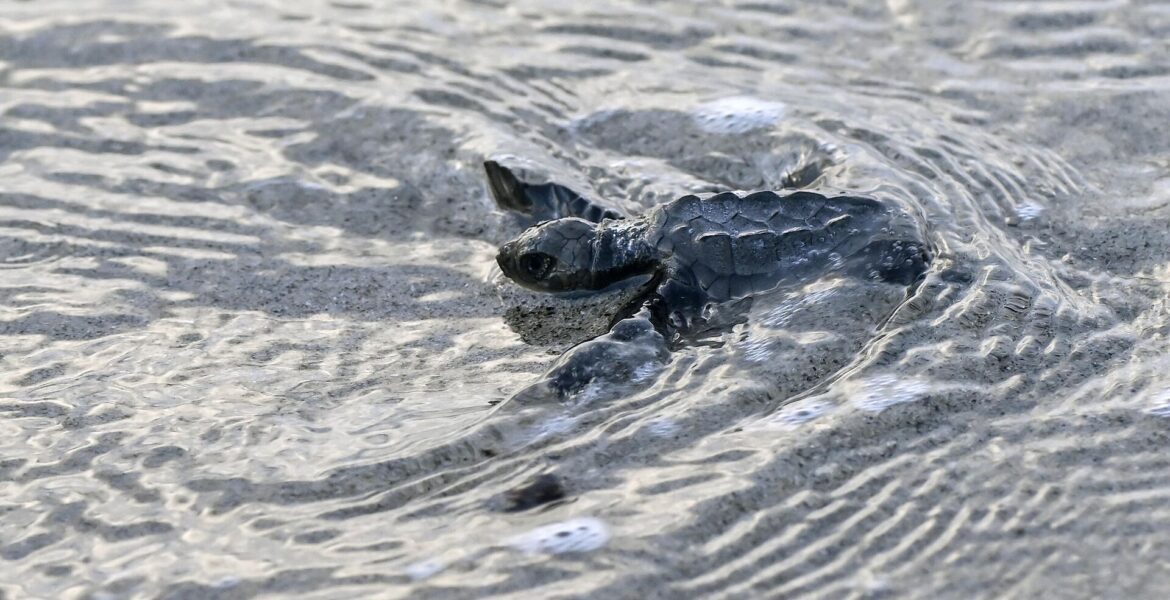
River turtles—many of them endangered or critically endangered are being poached and sold for up to ₹2,000 a kilo. Some are butchered near riverbanks. Others are boiled alive in village homes. Their meat is served as “medicine,” their shells discarded like waste.
To some, it’s a delicacy. To others, a taboo tonic. But to the turtles, it’s genocide.
Myth-Fueled Masculinity: What Are Men Chasing?
“It’s not about sexual dysfunction—it’s about fear,” says clinical psychologist Manju Chanana from Ludhiana.
“Men fear being seen as weak. So they reach for any shortcut that promises stamina or dominance. Even if it’s a complete lie.”
Toxic masculinity, performance anxiety, and inherited shame form a perfect storm. And in that storm, wildlife becomes collateral damage.
The term “Desi Viagra” may sound cheeky in a meme, but behind it lies a very real, very bloody trade that thrives on silence and denial.
What Users Say: Regret Has a Voice Too
Rahul (name changed), a 34-year-old from Chandigarh, recalls trying turtle meat once.
“It made me feel powerful for a bit, but I couldn’t stop thinking about the animal. It was guilt, not glory. I knew I’d done something wrong.”
Sahil, a visiting Canadian, was horrified after witnessing a live butchery in a rural market.
“I’ve heard of bananas, Sheelajit, even opium. But turtle? I was sick to my stomach. It was barbaric.”
These aren’t rare voices. They’re just rarely heard.
Doctors Say: It’s a Dangerous Delusion
Dr. Rajeev Trehan, a Chandigarh-based sexologist, says the myth needs to be dismantled immediately.
“Eating turtles doesn’t help libido. It’s a fable. A turtle’s endurance doesn’t translate to a human’s sexual stamina.”
What it does translate to, however, is a health hazard. Turtles, especially those from polluted rivers, are carriers of parasites, heavy metals, and toxins. Consuming them can lead to serious infections, liver damage, and even long-term organ failure.
Ecological Carnage, One Turtle at a Time
Beyond health and ego, there’s an ecosystem gasping for breath.
Turtles are keystone species. They clean rivers, regulate prey populations, and maintain ecological balance. Remove them, and food chains collapse. Rivers become stagnant. Biodiversity crumbles.
India is home to over 28 species of freshwater turtles and tortoises, many of which are now on the brink of extinction. They’re protected under the Wildlife Protection Act, but enforcement on the ground is weak, especially when profit and folklore team up.
How Do We Stop This?
Through Education, Not Just Enforcement
This isn’t just a wildlife issue—it’s a masculinity issue, a mental health issue, and a cultural issue.
- Psychologists need to talk openly about performance anxiety and male vulnerability.
- Sexologists must replace superstition with science in both clinics and classrooms.
- Schools and media should teach that true confidence comes from self-awareness, not animal sacrifice.
- Wildlife protection campaigns need to go local, addressing the myth where it begins—at the community level.
What Are We Killing?
Every time a turtle is consumed for imagined sexual benefits, a little more than a life is lost. What dies is conscience. What dies is reason. What dies is the chance to be better humans. In the end, the answers men seek aren’t buried in river mud or hidden beneath a turtle shell. They’re found in honest conversation, expert help, and the courage to let go of myths.
Let the turtles live. And let masculinity evolve.