
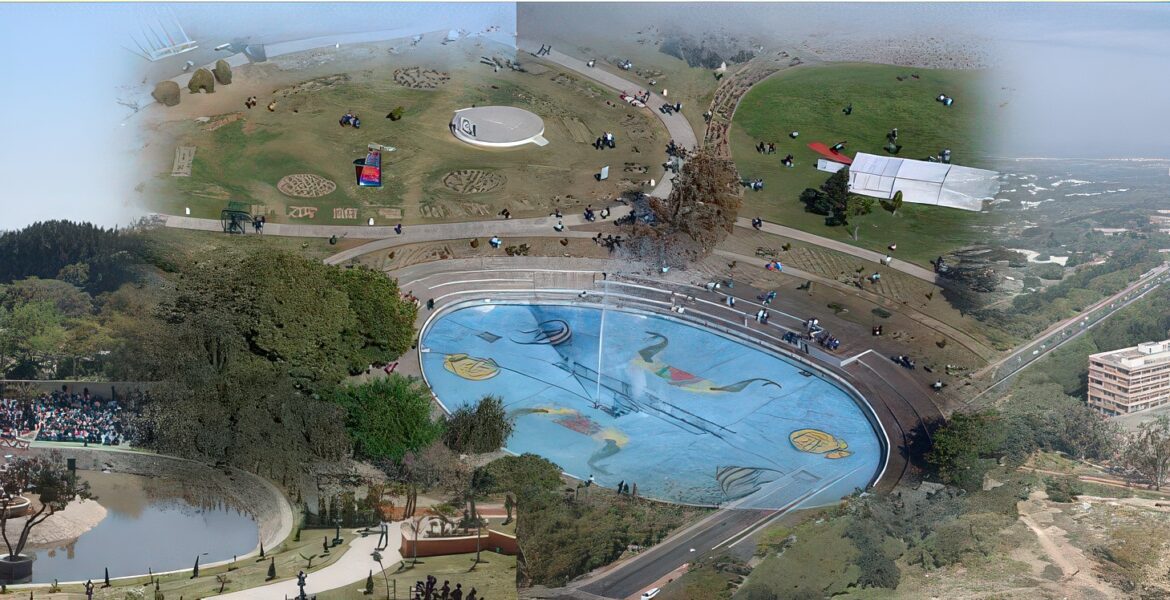
Urban planning is often judged not by what it builds today, but by what it enables tomorrow. In the case of Chandigarh, a city celebrated globally for its architectural discipline and urban foresight, the Master Plan 2031 represents more than a planning document. It is a vision statement that seeks to balance growth with sustainability while preparing the region for the demands of a rapidly changing future. More importantly, its influence extends far beyond Chandigarh’s administrative boundaries, playing a defining role in shaping the destiny of New Chandigarh.
As the Tricity region continues to witness unprecedented population growth, economic expansion, and real estate development, the need for a coordinated regional framework has become increasingly urgent. Chandigarh’s Master Plan 2031 serves precisely this purpose. By outlining strategies for transportation, infrastructure, housing, environmental conservation, and economic development, it creates a blueprint that directly impacts the evolution of New Chandigarh as the next urban growth centre of the region.
A Planned Response to Urban Expansion
For decades, Chandigarh’s growth was restricted by its original planning framework and geographical limitations. While this preservation helped maintain the city’s character, it also resulted in mounting pressure on land availability and housing affordability. As demand outpaced supply, neighbouring regions emerged as natural destinations for expansion.
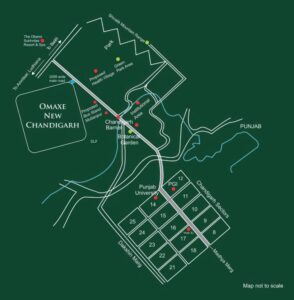
New Chandigarh, strategically located in Mohali district, was conceived as an extension capable of accommodating this growth. However, successful urban expansion requires more than land availability; it requires integration with the larger metropolitan ecosystem. Chandigarh’s Master Plan 2031 provides that integration by envisioning a regional approach rather than a city-centric one.
The plan acknowledges that the future of Chandigarh cannot be viewed in isolation. Economic activity, residential demand, transportation networks, and environmental concerns transcend administrative boundaries. Consequently, New Chandigarh has become an essential component of the broader regional development strategy.
 Strengthening Connectivity and Mobility
Perhaps the most significant contribution of the Master Plan 2031 lies in its emphasis on connectivity. Modern cities thrive when movement is efficient, and the plan recognises transportation infrastructure as the backbone of future growth.
Improved road networks, wider arterial corridors, integrated transport systems, and enhanced connectivity between Chandigarh, Mohali, Panchkula, and New Chandigarh are expected to significantly reduce travel times and improve accessibility. Such infrastructure investments not only enhance quality of life but also increase the attractiveness of surrounding areas for residential and commercial development.
For New Chandigarh, better connectivity translates into greater economic viability. Professionals working in Chandigarh’s commercial districts can reside in New Chandigarh without compromising convenience. Businesses seeking expansion opportunities can access larger land parcels while remaining connected to the established urban core. This seamless movement of people and capital is crucial for sustainable urban growth.
Creating a Sustainable Urban Environment
One of Chandigarh’s greatest strengths has always been its commitment to environmental planning. The Master Plan 2031 seeks to preserve this legacy while adapting to contemporary challenges such as climate change, resource scarcity, and urban pollution.
The emphasis on green belts, ecological conservation zones, urban forests, and open public spaces creates a framework that benefits New Chandigarh as well. Rather than becoming another example of unchecked urban sprawl, New Chandigarh is being guided towards becoming a greener, healthier, and more sustainable urban destination.
The preservation of natural landscapes around the Shivalik foothills, coupled with planned recreational spaces and environmental buffers, enhances both ecological resilience and liveability. As global cities increasingly struggle with congestion and environmental degradation, this approach provides New Chandigarh with a significant competitive advantage.
 Catalysing Real Estate and Economic Growth
Urban planning and real estate development share a symbiotic relationship. Investors seek certainty, and master plans provide precisely that. By establishing clear development guidelines and future infrastructure commitments, the Master Plan 2031 creates confidence among developers, investors, and homebuyers.
New Chandigarh has already emerged as one of North India’s most promising real estate destinations. The presence of educational institutions, healthcare facilities, sports infrastructure, and residential townships has laid a strong foundation. The broader vision articulated in Chandigarh’s Master Plan further strengthens investor confidence by ensuring long-term regional integration.
As infrastructure improves and population migration continues, demand for residential, commercial, and mixed-use developments in New Chandigarh is likely to accelerate. This growth has the potential to generate employment, stimulate economic activity, and contribute significantly to the regional economy.
 Encouraging Balanced Urban Development
A recurring challenge for rapidly growing cities is the concentration of economic activity in a single urban centre. Such concentration often leads to congestion, rising property prices, infrastructure strain, and declining quality of life.
The Master Plan 2031 addresses this issue by promoting decentralised growth. By encouraging the development of complementary urban centres such as New Chandigarh, the plan reduces pressure on Chandigarh while distributing opportunities more equitably across the region.
This balanced development model creates multiple hubs for employment, education, healthcare, recreation, and housing. Residents gain access to opportunities closer to where they live, reducing commuting burdens and improving overall urban efficiency.
For New Chandigarh, this means evolving from a peripheral residential destination into a self-sustaining urban ecosystem capable of supporting diverse economic and social activities.
Building a Knowledge and Innovation Corridor
The future of cities increasingly depends on their ability to attract talent, innovation, and investment. Chandigarh has long been recognised as an educational and administrative hub. The Master Plan’s emphasis on institutional growth creates opportunities for New Chandigarh to emerge as a centre for knowledge-based industries.
The presence of educational campuses, research institutions, healthcare facilities, and technology-driven enterprises can transform New Chandigarh into a vibrant innovation corridor. Such development not only diversifies the local economy but also attracts a younger, highly skilled population seeking modern urban environments.
In an era where cities compete globally for talent, this focus on knowledge infrastructure becomes a critical driver of long-term prosperity.
A Vision Beyond Infrastructure
Ultimately, the significance of Chandigarh’s Master Plan 2031 extends beyond roads, buildings, and zoning regulations. It reflects a broader philosophy of planned growth, environmental stewardship, and regional cooperation.
For New Chandigarh, the plan serves as both a roadmap and an opportunity. It provides the structural framework necessary to transform a developing township into a thriving urban destination while preserving the qualities that have made Chandigarh one of India’s most admired cities.
As urbanisation accelerates across India, the relationship between Chandigarh and New Chandigarh offers an important lesson. Successful cities do not merely expand; they evolve through thoughtful planning, strategic investment, and a commitment to long-term sustainability.
The Master Plan 2031 is therefore not simply about managing growth. It is about creating a future where Chandigarh’s legacy of urban excellence continues through the rise of New Chandigarh, ensuring that the next chapter of regional development is as visionary as the one that began nearly seven decades ago.
Text by
Mahesh Bansal
VP Project and Revenue