
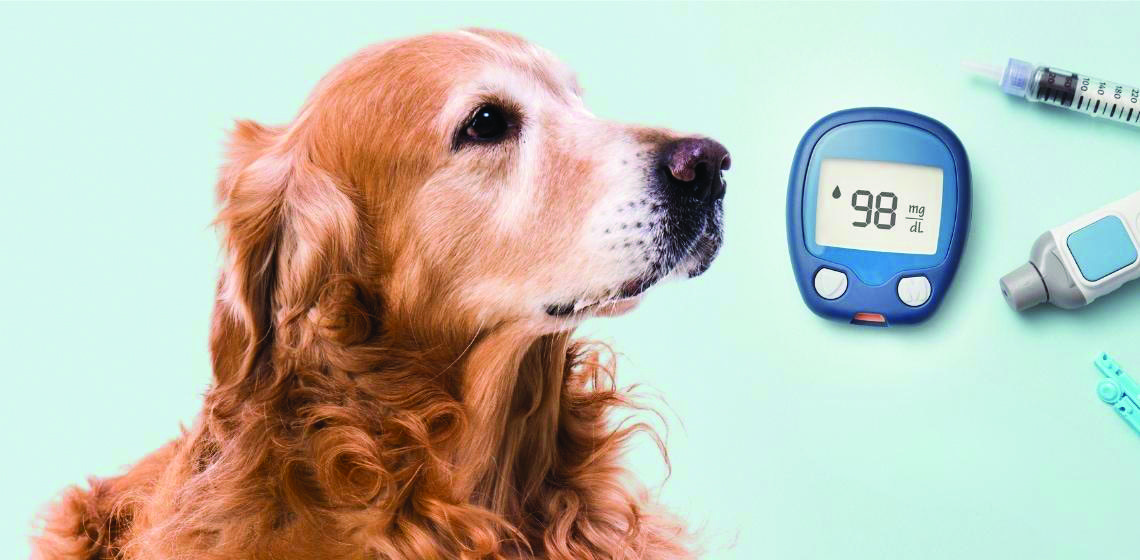
For most pet parents, few things are more comforting than the familiar routines shared with their dogs. The morning walk, the enthusiastic greeting at the door, the quiet companionship at the end of a long day. Dogs become woven into the fabric of family life, which is why even the slightest change in their behaviour often causes concern.
One such change is an increase in thirst. A water bowl that needs constant refilling, more frequent trips outdoors, unexpected accidents in the house, or unexplained weight loss may appear insignificant at first. However, these subtle signs can sometimes indicate a condition that is becoming increasingly common among dogs worldwide: diabetes mellitus.
Although diabetes has long been associated with human health, it is also a significant medical condition in veterinary medicine. Much like in people, diabetes in dogs affects the body’s ability to regulate blood sugar levels. When left untreated, it can lead to serious complications. Fortunately, with timely diagnosis, proper treatment, and consistent monitoring, diabetic dogs can continue to enjoy a happy, healthy, and fulfilling life.
 At its core, diabetes is a disease of metabolism. The body relies on glucose as its primary source of energy. Insulin, a hormone produced by the pancreas, allows glucose to move from the bloodstream into the body’s cells where it can be used as fuel. In diabetic dogs, this process is disrupted. As a result, glucose accumulates in the bloodstream while the body’s cells remain unable to access the energy they need.
This is why diabetes is often described as a disease of calories. Even though food is being consumed and blood sugar levels are elevated, the body struggles to utilise those calories effectively. The result is a paradoxical situation in which a dog may continue eating normally, or even eat more than usual, while still losing weight and energy.
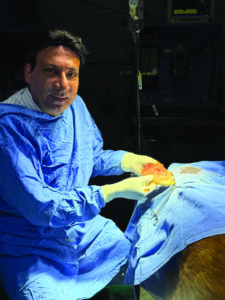
According to Dr Antarpreet Toor, Owner of 12 West Pet Clinic, Club Town Market, New Chandigarh, awareness among pet owners plays a crucial role in recognising the condition early.
“Most owners notice changes in their dog’s drinking and urination habits before anything else,” says Dr Toor. “A dog that suddenly begins consuming excessive amounts of water or needs to urinate more frequently should never be ignored. These are often the first indicators that something is affecting blood glucose regulation.”
Veterinarians refer to excessive drinking as polydipsia and excessive urination as polyuria. Together, these are among the most common signs of diabetes in dogs. Increased appetite, unexplained weight loss, lethargy, reduced stamina, and a dull coat may also develop as the disease progresses.
One of the challenges surrounding canine diabetes is that many symptoms develop gradually. Because the changes often occur over several weeks or months, pet owners may attribute them to ageing, weather conditions, or lifestyle changes. Unfortunately, delaying veterinary attention can allow the disease to advance and increase the risk of complications.
Persistently elevated blood glucose levels can affect multiple organs and systems throughout the body. Cataracts are among the most common complications in diabetic dogs and can sometimes develop rapidly, leading to impaired vision. Dogs may also become more susceptible to infections, dehydration, and weakness. In severe cases, uncontrolled diabetes can result in diabetic ketoacidosis, a life-threatening emergency that requires immediate veterinary intervention.
 Dr Toor believes that prevention begins with attentiveness.
“Early detection remains the single most important factor in managing diabetes successfully,” he explains. “When we diagnose the disease early, we can begin treatment before serious complications develop. This significantly improves both quality of life and long-term outcomes.”
Diagnosis is typically straightforward. A veterinarian will evaluate the dog’s clinical signs and perform blood and urine tests. Elevated blood glucose levels combined with the presence of glucose in the urine are often sufficient to confirm the diagnosis. Additional testing may be recommended to assess overall health and identify any underlying conditions that could influence treatment.
For many owners, receiving a diagnosis of diabetes can feel overwhelming. The prospect of daily medication and long-term management often raises concerns about their pet’s future. However, advances in veterinary medicine have transformed diabetes into a condition that can be managed effectively with the right approach.
Unlike some forms of diabetes in humans, diabetes in dogs is most often insulin dependent. This means that insulin therapy forms the foundation of treatment. Interestingly, many of the medications used to manage diabetes in dogs are similar to those used in human medicine. Insulin is typically administered through small injections, usually twice daily, according to a schedule determined by the veterinarian.
“The idea of giving injections can be intimidating at first,” says Dr Toor. “However, most owners quickly become comfortable with the process. Dogs generally tolerate insulin injections extremely well, and many families are surprised by how simple the routine becomes after a short period.”
Beyond insulin therapy, successful diabetes management depends on consistency. Feeding schedules, meal portions, exercise routines, and medication timings should remain as stable as possible. Sudden changes can affect blood sugar control and make it more difficult to achieve optimal results.
Nutrition is particularly important. A balanced diet tailored to a diabetic dog’s needs helps regulate blood glucose fluctuations and supports overall health. Maintaining a healthy body weight can also improve metabolic stability and reduce additional strain on the body.
Regular monitoring is another essential component of treatment. Veterinary check-ups allow adjustments to insulin dosages and provide valuable insight into how effectively the disease is being controlled. Owners are encouraged to observe their dogs closely and report any changes in appetite, water consumption, energy levels, or behaviour.
Perhaps the most reassuring aspect of modern diabetes care is that a diagnosis does not mean a reduced quality of life. With proper treatment and commitment from their families, diabetic dogs can continue to enjoy many years of companionship, activity, and happiness.
Dr Toor frequently reminds pet owners that diabetes is a manageable condition rather than a devastating one.
“Many diabetic dogs lead completely normal lives,” he says. “They play, travel, exercise, and enjoy time with their families just like any other pet. The key is commitment to treatment and regular monitoring. When owners work closely with their veterinarian, the results can be extremely rewarding.”
As veterinary medicine continues to advance, awareness remains the greatest tool in combating canine diabetes. Routine health examinations, especially for middle-aged and senior dogs, can help identify problems before symptoms become severe. Paying attention to subtle changes in behaviour, appetite, and water intake can also make a significant difference.
In a world where pets are increasingly regarded as cherished family members, proactive healthcare has never been more important. Diabetes may be a lifelong condition, but it does not have to define a dog’s future. Through early diagnosis, effective treatment, and informed care, dogs with diabetes can continue to live the vibrant, joyful lives they deserve.
After all, every extra walk, every playful moment, and every wagging tail is a reminder that timely intervention can transform a diagnosis into a story of resilience, health, and enduring companionship.
Inputs by
Dr Antarpreet Toor
12 West Pet Clinic
New Chandigarh